


Welcome to the April 2026 issue of Incognito, your monthly dive into privacy and security with DeleteMe.
This month:
Q&A: Does removing yourself from data brokers prevent surveillance?
- Introducing DeleteMe for Pets: On the internet, nobody knows you’re a dog…or do they? Your pet could be the source of a scam, so lock down their digital pawprints!
- Surveillance and Privacy: Surveillance is everywhere, in our mobile apps, on data broker platforms, security and law enforcement cameras, and more. This month we’re talking about app permissions, data brokers, and anti-surveillance legislation. And listen to part one and part two of our series “Surveillance in America” on our podcast What the Hack!
- Essential Reading: Flock exposed its AI-powered cameras to the internet, AI makes the hard choice between consumer safety and privacy even trickier, senators re-introduce the bipartisan Government Surveillance Reform Act, and cybercriminals weaponize recent breaches to scam even more people.
Introducing: DeleteMe for Pets!
Are you protecting your pets’ personally identifiable information (PPII)? Scammers look for details like your cat’s birthday or your bird’s vet location to crack security questions and social-engineer their way into your digital life.
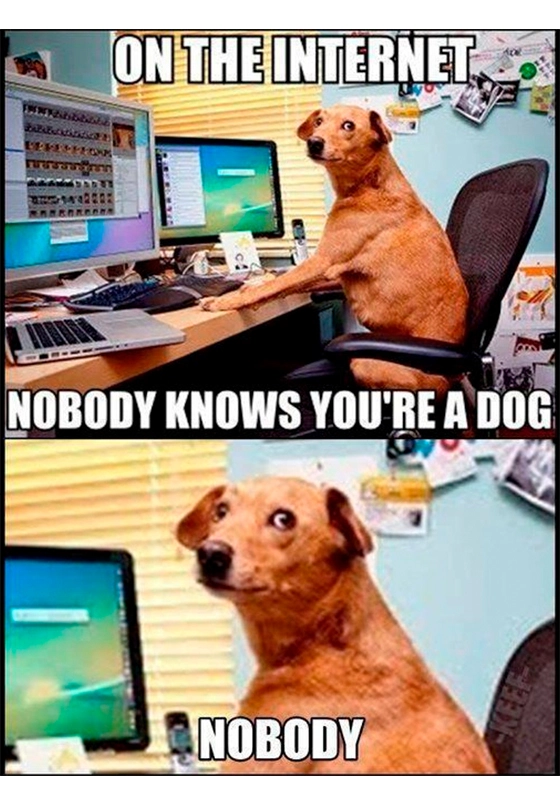
Happy April Fools’ Day!
Okay, so we don’t actually scrub pet data, but we do recommend keeping your pet’s name out of your passwords.That said, there are plenty of pet-related scams out there.
Cybercriminals use generative AI and social media to steal thousands from pet owners. These exploits vary. Here’s the Big Three:
- Pet injury scams: Scammers claim to represent local law enforcement or veterinarians. The message: your lost dog or cat got hit by a car. It may include a hard to read image, or a deepfake of your injured pet. Before sending money, look up the vet online and call the number directly. The more careful you are, the quicker they’ll hang up.
- Ransom scams: Your lost pet has been found, but the person reaching out demands money for the return of your furry friend. They may send a picture as proof. Think twice before paying. The scammer doesn’t have your pet, but they will turn up the pressure until you pay. Pro tip: hang up, stop replying to messages.
- Euthanasia scams: A shelter dog or cat is scheduled for euthanasia due to overcrowding. This is common in real life, but there’s a scam that takes advantage of the problem on platforms like Instagram and YouTube. Before sending donations, make sure the person or organization is legit. Or better yet, go adopt a new friend!
These days, cybercriminals know who their audience is, especially if you love critters, so keep these threats in mind with DeleteMe.
They’re watching. And now they can read your screen
Government agencies and companies are joining together to create a surveillance nightmare of unbelievable proportions. In our recent series “Surveillance in America,” What the Hack host Beau Friedlander investigates how companies like Ring and Flock Safety monitor your daily life and share what they capture with law enforcement, government agencies, and even the open web.
It gets worse. Jason Koebler of 404 media revealed that Flock’s newest AI cameras can zoom in close enough to read your phone screen. If you wouldn’t hand your unlocked phone to a total stranger and walk away, you should care about this.
Here’s what you can do:
Stay informed. Find out if your neighborhood has adopted Flock. Then listen to part one and part two of Surveillance in America featuring Benn Jordan, 404 Media co-founder Jason Koebler, and the ACLU’s Jay Stanley.
Write your local representatives. Pushback is already making a difference. Some cities have rejected Flock entirely.
Fight surveillance in your neighborhood. If your HOA is considering introducing surveillance cameras, push back. More surveillance = a lot less privacy.
Identity Management Day: cooler than it sounds
Data brokers collect your personal information and share it with anyone willing to pay. That includes cybercriminals and government agencies like the FBI. Your political affiliations, gender identity, sexual orientation, favorite locations, and buying habits are all up for grabs.
Opting out removes one of the main tools bad actors and governments use to surveil you.
Take this Identity Management Day (April 14th) to safeguard your digital identity and see which sites expose your information.
There’s a spy in your pocket
Your biggest surveillance threat may not be that camera on your street corner. Chances are good it’s your phone.
Every app you install is a potential data tap, tracking your location, accessing your contacts, even peeking at other files like photos and videos, and they may be selling what they find to third parties and data brokers. If the app is free, your data is the price.
Do this:
Check app permissions. Turn off location tracking and any unnecessary data collection.
Ditch loyalty programs. They promise savings but deliver surveillance. The discounts are marginal. The data they harvest and the surveillance pricing that makes it possible costs more in the long run.
Take a look at home assistant privacy settings. Alexa, Siri and their less popular friends are sending your data to the cloud by default. Turn off model training and app improvement unless they’re paying you to improve their product. As a matter of fact, turn it off even if they do offer to pay you.
We’d Love to Hear from You
Have a story for our podcast? Any privacy stories you’d like to share, or topics you’d like to see covered here? We’d love to hear from you!
Drop us a line on any of our social media channels, linked below.
Recommended Reads
Anyone could watch, and they called it a feature
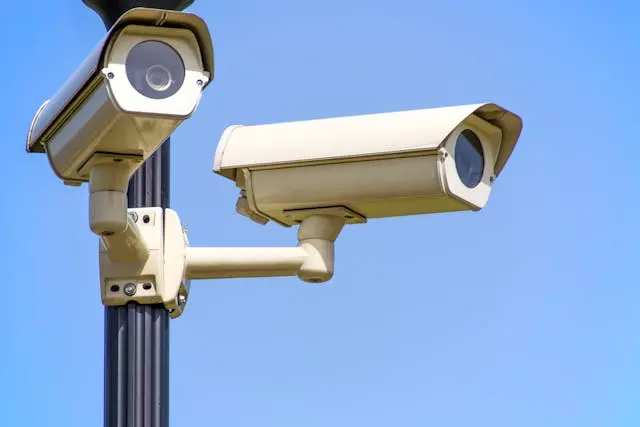
404 Media co-founder Jason Koebler investigated Flock Safety, the leader in AI-powered police surveillance cameras and license plate readers. What he found: Flock had exposed dozens of its devices to the open internet. No login needed. Anyone could pull up live footage.
Trust us, we’re powering the government? AI in the news…

AI has been re-writing the rules on privacy, before legislation can determine what’s best for the public. Chatbots are designed to feel like confidants. The more you trust them, the more you share. And everything you share belongs to the company, making it, at least in theory, available to law enforcement and data brokers. An elegant trap: As AI becomes part of consumers’ digital lives, opt out of data-sharing and it feels like you’re opting out of modern life.
Senators fight back on surveillance

A bipartisan group of lawmakers has introduced the Government Surveillance Reform Act of 2026, the most ambitious attempt to modernize the Fourth Amendment for the digital age. The bill would require warrants for the government to access Americans’ private communications, web browsing history, and chatbot records, while specifically closing loopholes that currently allow agencies to purchase personal data from third-party brokers without judicial oversight.
Cybercriminals weaponize recent breaches
Fake data breach notifications are on the rise. The goal is the same as ever, trick a user into providing personal information and passwords. With a recent increase in breaches, these attack vectors have been more successful of late. What to do: If you see a notification, don’t click through on your email or text. Go directly to the website to verify.
You Asked, We Answered
Q: Does removing yourself from data brokers prevent surveillance?
A: To some extent, it can.
DeleteMe removes your personal information from data broker sites that are accessible to anyone, including government contractors, private investigators, and various types of surveillance software. We reduce what’s publicly searchable about you online.
We don’t have visibility into proprietary government tools or how different agencies aggregate data. What we can tell you is that limiting your exposure on data brokers sites reduces a publicly available source of information collection, and that in turn can help combat the surveillance economy.
Back to You
Get in touch with us. We love getting emails from our readers. You can also find us on X, BlueSky, Instagram, Facebook, LinkedIn, and YouTube.
And don’t forget to share! If you know someone who might enjoy learning more about data privacy, feel free to forward them this newsletter. If you’d like to subscribe to the newsletter, use this link.
That’s it for this issue of Incognito. Stay safe, and we’ll see you next month.

Don’t have the time?
DeleteMe is our premium privacy service that removes you from more than 750 data brokers like Whitepages, Spokeo, BeenVerified, plus many more.
Save 10% on DeleteMe when you use the code BLOG10.