The Unintentional Surveillance of Everyday Life
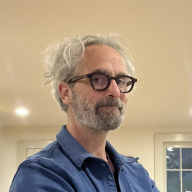
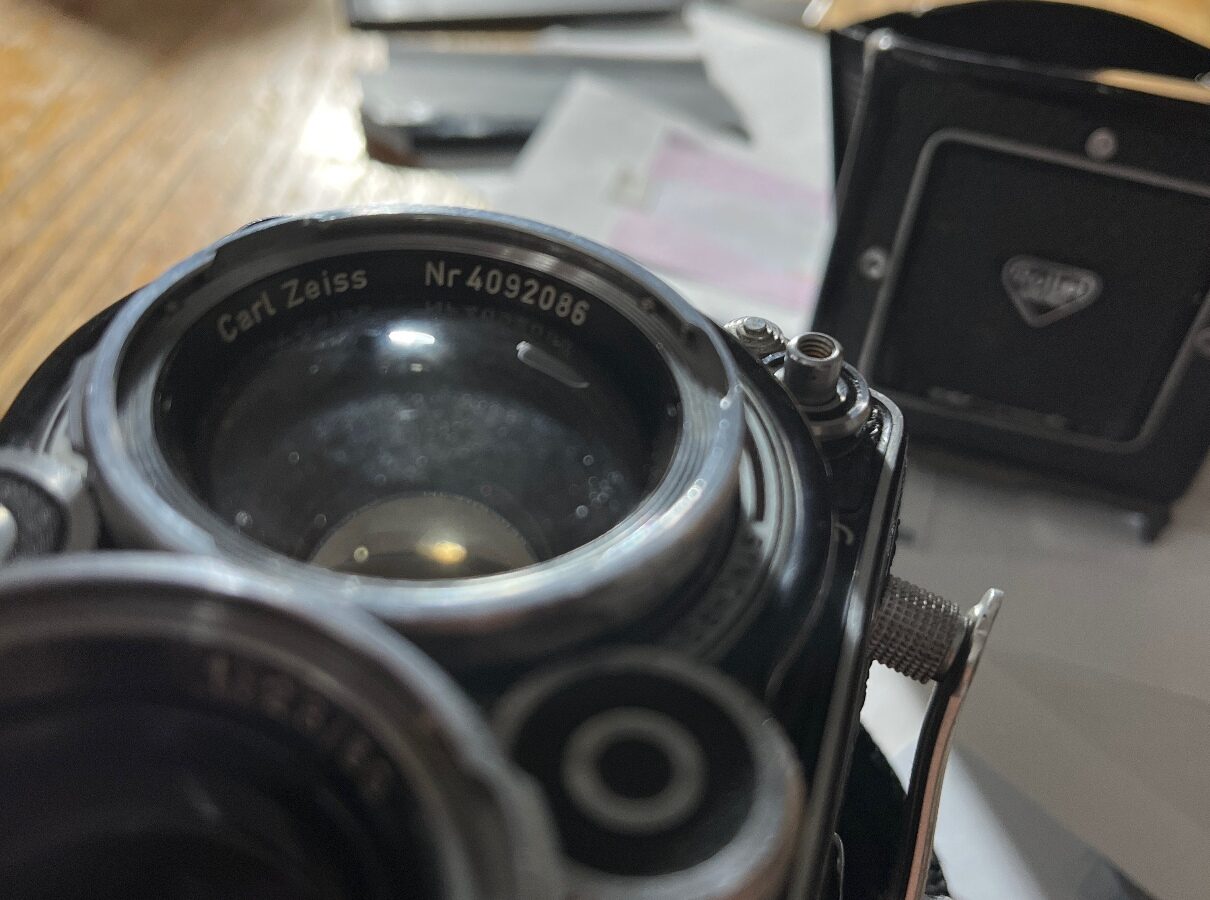
While researching this week’s episode of What the Hack, I found myself watching a video of the renowned photographer Christopher Anderson entering his apartment building. It was not surveillance footage. It was from a story about him reposted to YouTube.
There was no address on the door and no street sign visible, but I ran past that building at least four times a week for a decade. So I just knew. There are people who could have found that building without any prior knowledge. So the video I found offered enough information to find Christopher Anderson were I sufficiently motivated.
Was it intel? It was specifically open-source intelligence, the kind spies and threat actors alike use every day to target people online.
When I told Christopher about it, he shrugged it off as happenstance. But there’s a gaming community built around reading locations from visual clues. GeoGuessr players do it for sport. Intelligence services do it for a living. The various images of us “out there” may not exist as marshaling batons on a runway, but for someone who knows how to read them, they serve as assets in the unintentional surveillance of everyday life.
Anderson is one of the most celebrated photographers alive, a Magnum alum who spent thirty years chronicling geopolitical upheaval and war zones–most recently shooting for Vanity Fair in the current White House where he recently took pictures so revealing that they took over a news cycle.
Get Your Free Scan Now
Find out which data brokers have your info
A picture’s worth a thousand words
The behind-the-scenes stories are fascinating, and include White House Deputy Chief of Staff for Policy Stephen Miller asking Anderson whether he should smile or give people the dimestore villain pose he finally settled on. There was JD Vance’s impressive gamemanship in the realm of image management, and Marco Rubio seemingly somewhere else entirely.
But perhaps the most unsettling revelation was what Anderson saw while “on set” in that hive of pre-war contingencies in November 2025—just months out from military actions Maduro’s ouster in Venezuela and all-out war on Iran. Papers were out on desks–stuff he had no business seeing. There was a carelessness that he had not seen with the two previous administrations.
No one in the Vanity Fair shoot thought they were being surveilled. This is the Oscar Party magazine. They agreed to a photo shoot. The camera wasn’t hidden. That said, the agenda was.
“I’m sort of a Trojan horse,” Anderson the Magnum Photos alum told me, “because they can roll me through the door as a celebrity photographer, but my brief is to….be the eyes for the public.”
The reason I’m talking to a celebrated photographer on a podcast about privacy and cybersecurity is that photographs and video can be dangerous. They can drastically increase attack surface in unexpected ways.
In every capture, there is more information than the purported subject. The problem lies with the people who can read what’s there. Anderson has been creating those detailed reading surfaces his entire career.
A relevant Jeffrey Epstein detour
Anderson photographed Jeffrey Epstein for New York Magazine years before news about his crimes surfaced. Left alone in Epstein’s office, he snapped a few pictures of the mise-en-scène never to look at them again until a short while ago.
“I took a picture of this email on his desk” Anderson told me, “and then I remembered that I was left in this room for a while to wait for him. My mind starts playing it back through the fog of memory. Why was I left in this room, and why would a guy like that have left me in the room alone with potentially sensitive information?”
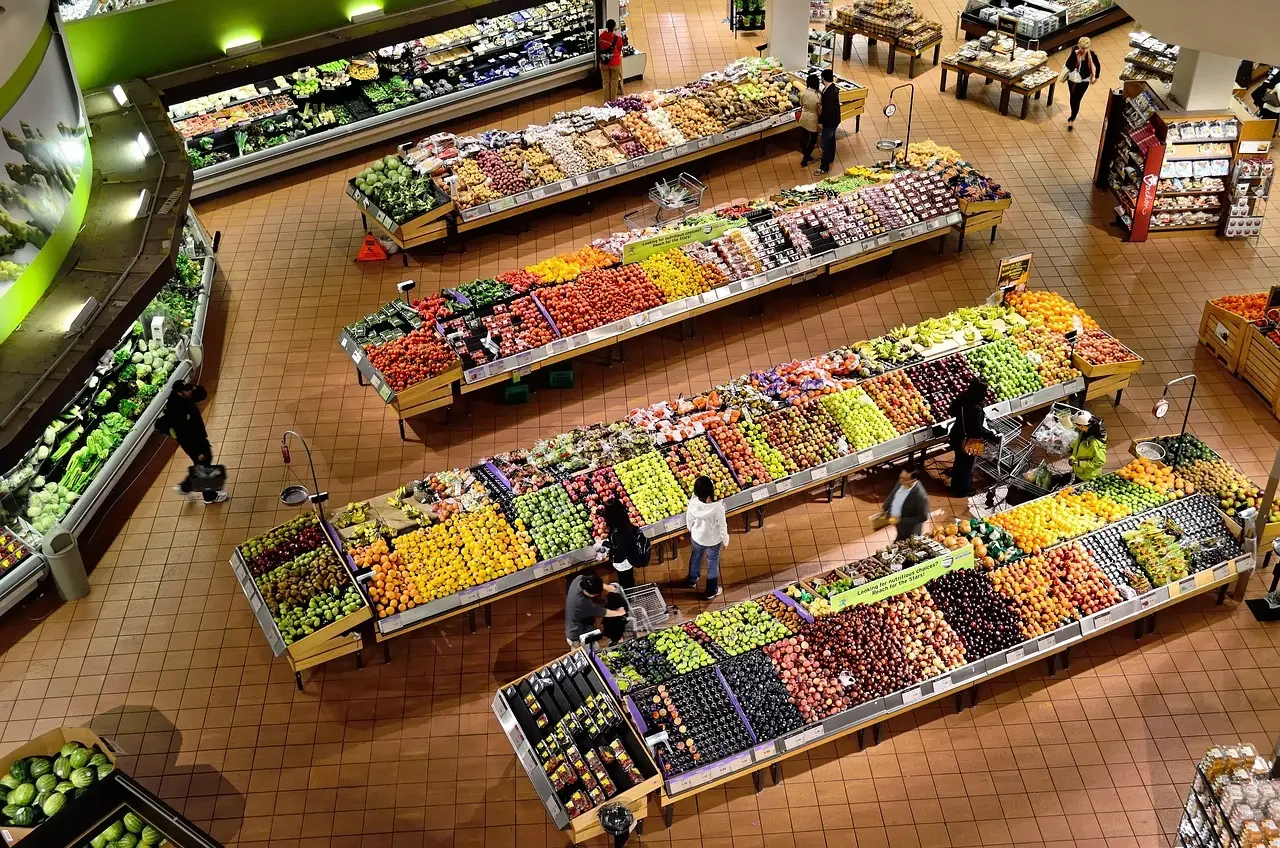
Most images tell more than one story, which is perhaps best illustrated by the Geoguessr crowd, which looks at images for clues—the way the sun is hitting an object, the kinds of lines painted on the road, street signs—and from those details embedded in the reading surface of an image they can pinpoint where in the world it was captured.
A random shot posted to Instagram has the same quality, at least in principle, as the pictures Anderson took in the White House.
On the technical side, every photograph also comes with metadata like the location where it was shot, the time, what kind of device was used. All that information has value to a threat actor. We live in a world where posting a picture of your lunch to social media can get you hacked, or worse.
The surveillance conversation usually focuses on the intentional kind: data brokers who buy your location history or the license plate reader on a highway. We did a whole series on Flock Safety’s network earlier this season, and the picture that developed in conversation with Benn Jordan, 404 Media’s Jason Koebler and the ACLU’s Jay Stanley was not reassuring.
Doorbell cameras are transforming residential streets into digital shooting galleries, and municipalities are increasingly leaning on surveillance tools in their day-to-day security and law enforcement operations. These are real problems. But so is the unintentional surveillance that happens as a byproduct of something else entirely in the picture plane; it may exist online without your knowledge or without enough context to understand why it might be creating a vulnerability.
You can’t do anything about this. But you can be more aware. Turn off geotagging on your phone—most apps don’t need it. When shooting video or taking a snap, think about what’s in the background, and take a really close look at anything before you post it on social media. And if you want to know what the intentional kind of surveillance has already collected about you, go to joindeleteme.com/scan and run the free scan.
Anderson has made a kind of peace with all of it. He’s been on both sides of the camera long enough to know that nobody is really in control of the image, including the person taking the picture. But as “a professional noticer of things,” he’s one of the best in the world when it comes to clocking what’s in the frame, including the things that weren’t supposed to be there.
This turns out to be exactly the skill the rest of us need now. The camera is life on Earth right now. Pay attention to what it’s catching.
Learn More:
- See where your data is exposed with our free scan.
- Learn about data brokers and how they misuse your data.
- Discover more from What the Hack wherever you get your podcasts.

news?

Don’t have the time?
DeleteMe is our premium privacy service that removes you from more than 750 data brokers like Whitepages, Spokeo, BeenVerified, plus many more.
Save 10% on DeleteMe when you use the code BLOG10.
Related Posts
The Party is Just Getting Started: Block Party is Joining DeleteMe
Why You Can’t Tell Deepfake from Reality