Is AnyDesk a Scam?

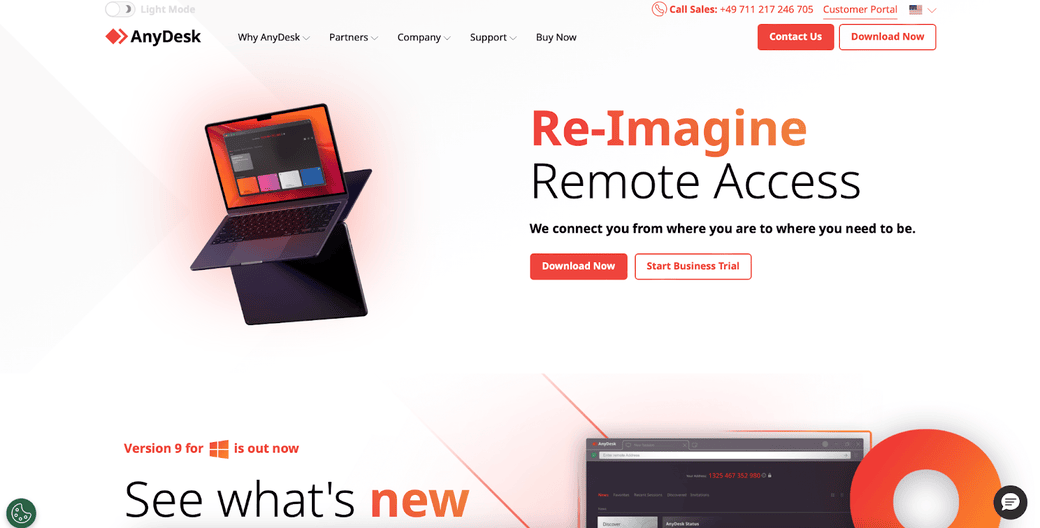
Table of Contents
If you’re thinking of using AnyDesk, you need to know whether it’s safe. Is AnyDesk a scam?
Below, we explain whether AnyDesk is a scam and discuss some steps you can take to improve your safety when using this remote desktop tool.
What Is AnyDesk?
AnyDesk is a proprietary remote desktop program that gives you control over another device to provide support, share files, or work remotely.
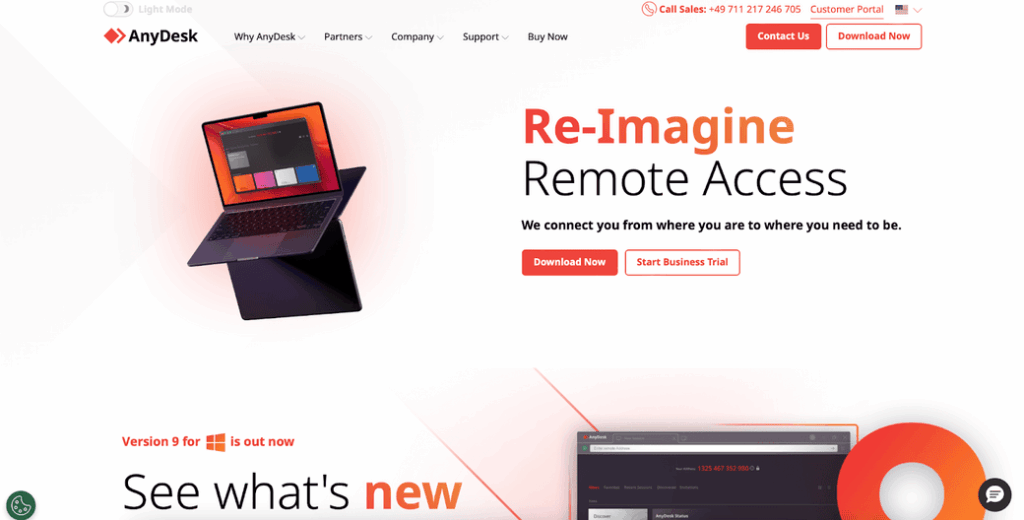
It works across Windows, macOS, Linux, iOS, Android, Chrome OS, and more, and includes features like file transfer and VPN functionality.
AnyDesk Software GmbH was founded in 2014 in Stuttgart, Germany.
Is AnyDesk a Scam?
No, AnyDesk is not a scam. It is legitimate remote access software used by IT professionals and businesses.
However, scammers often misuse AnyDesk to access victims’ computers and steal money. The software’s legitimacy does not protect users from fraudsters who impersonate support agents and ask victims to install AnyDesk.
AnyDesk has been reviewed by several third-party publications and review sites, most of which rate the tool favorably.
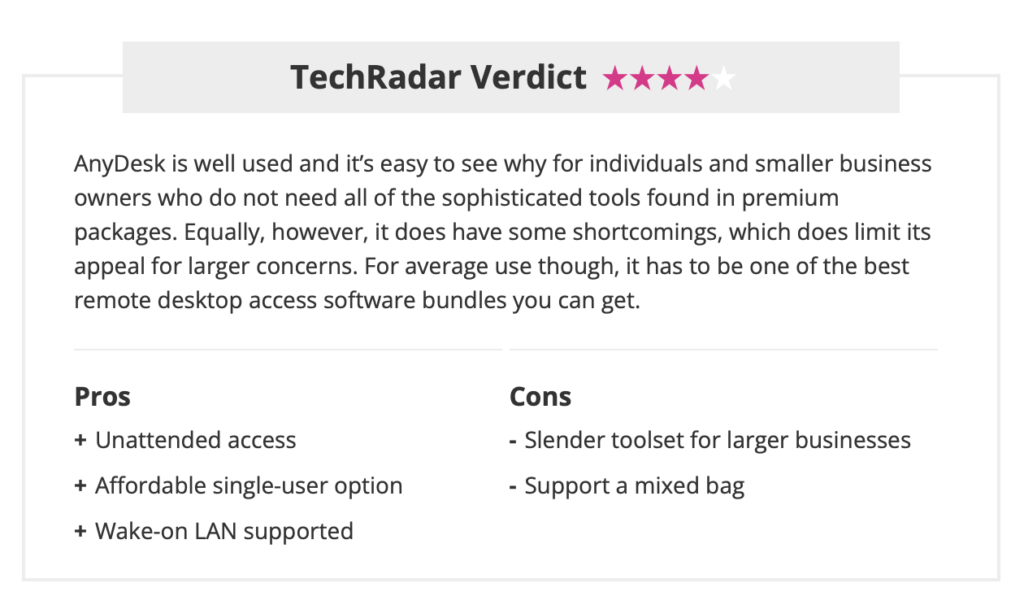
For example, TechRadar gives AnyDesk a rating of 4 out of 5 stars, concluding that “it has to be one of the best remote desktop access software bundles you can get.”
Similarly, ITPro also gives AnyDesk 4 out of 5 stars, stating that it is “affordable and easy-to-use for individuals and small businesses.”
User reviews of AnyDesk are mixed at the time of writing:
- 2.1 out of 5.0 stars (from over 1,000 reviews) on Trustpilot.
- 4.6 out of 5.0 stars (from over 1,500 reviews) on Capterra.
- 4.5 out of 5.0 stars (from over 100 reviews) on Gartner.
- 4.5 out of 5.0 stars (from over 1,000 reviews) on G2.
People praise the program’s speed and performance, ease of use, and value compared to competitors.
Complaints frequently mention the difficult cancellation process, licensing and usage restrictions, customer support issues, limitations and lockouts of the free version, and technical and reliability issues.
On online forums like Reddit, many commenters feel that AnyDesk has declined from being one of the best remote-access tools.
The company is BBB‑accredited with an A+ rating and only 13 complaints over the last three years, 10 of which have been closed in the past 12 months.
Most complaints come from consumers who allege unauthorized or disputed charges, consumers who were unable to get a refund (AnyDesk responded that their contracts have a minimum duration of 12 months), and consumers who had difficulty cancelling auto-renewal online.
AnyDesk impersonation scams
Scammers exploit trusted software like AnyDesk in remote‑access scams.
A typical AnyDesk scam involves fraudsters cold‑calling victims, posing as tech support from Microsoft, Amazon, banks, or other reputable institutions, claiming there is a problem with their account, and instructing them to install AnyDesk so the fraudster can “fix” the problem.
Once they gain remote access to their victim’s device, the fraudsters steal personal data or transfer money (or alternatively trick their victims into sending fraudulent payments).
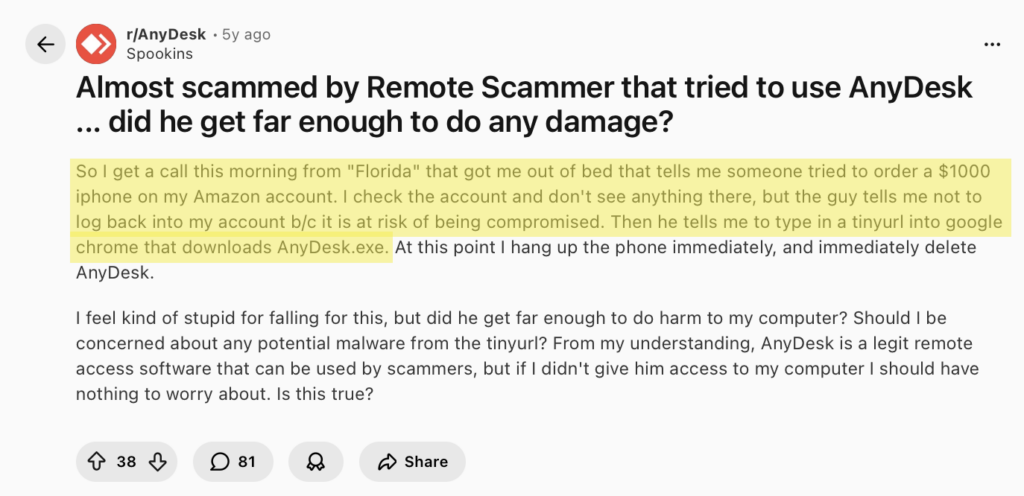
In one scam attempt recounted by a Reddit user, a fraudster pretending to be Amazon support claimed a fraudulent iPhone purchase and tried to trick them into installing AnyDesk via a shortened link to gain remote access. Luckily, at this point, the user realized they were being targeted by a scammer.
These kinds of scams are not unique to AnyDesk and affect many legitimate remote-access tools.
AnyDesk’s own abuse‑prevention page stresses two simple rules: never give unknown people access to your devices and never share online‑banking login details.

The page advises ending suspicious phone calls immediately and cutting remote sessions by turning off your device.
AnyDesk security
In its privacy policy, AnyDesk briefly describes its security measures.
For example, it says it uses “state-of-the-art encryption methods” to protect your data during transfer.
It also notes that its security measures improve in line with technological developments.

On the Help Desk section of its website, AnyDesk notes additional security features, including custom client settings, exclusive unattended access, salted password hashing, and two‑factor authentication.
Other controls include an Access Control List (ACL) so only authorised IDs can connect and an on‑premises option for enterprises.
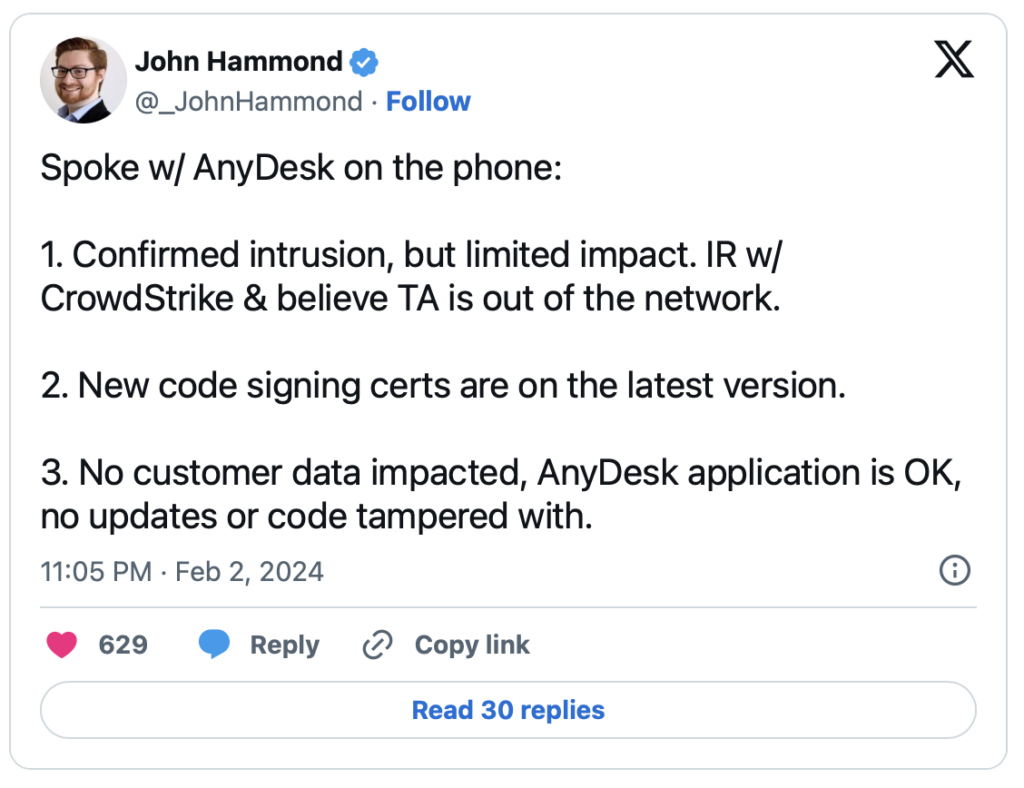
AnyDesk suffered a security incident in 2024.
Attackers compromised production systems and stole source code and code‑signing certificates. In response, the company revoked the certificates and required all users to update software and change portal passwords.
AnyDesk said no end‑user devices were affected and that the application remains safe.
Subsequent reports claimed that credentials for over 18,000 customers were being sold on dark‑web forums, but experts believe these credentials were harvested from malware on users’ computers rather than the breach itself. The company urged customers to change passwords and use multifactor authentication.
AnyDesk privacy
AnyDesk explains in its privacy policy the kind of data it collects, why, and with whom it shares it.
Depending on how you interact with AnyDesk, it may collect the following information:
- Identity and contact data: Name, email, address, phone number, and company details.
- Account and contract data: License type, customer ID, invoices, and payment history.
- Technical and usage data: IP address, device information, operating system, and session start/end times.
- Website data: Log files, cookies, analytics, and marketing interactions.
- Support and communication data: Emails, contact forms, chat messages, and surveys.
- Application data: CVs, qualifications, certificates, and related information.
- Product telemetry (with consent): How the software is used, interactions, and performance data.
The company may use this data to provide and manage contracts, licenses, and accounts, as well as to deliver remote desktop services and handle payments, invoicing, and compliance.
Plus, to provide customer support and improve products, security, and performance.
Additionally, to process job applications, protect against fraud and security threats, and run marketing, newsletters, surveys, and analytics.
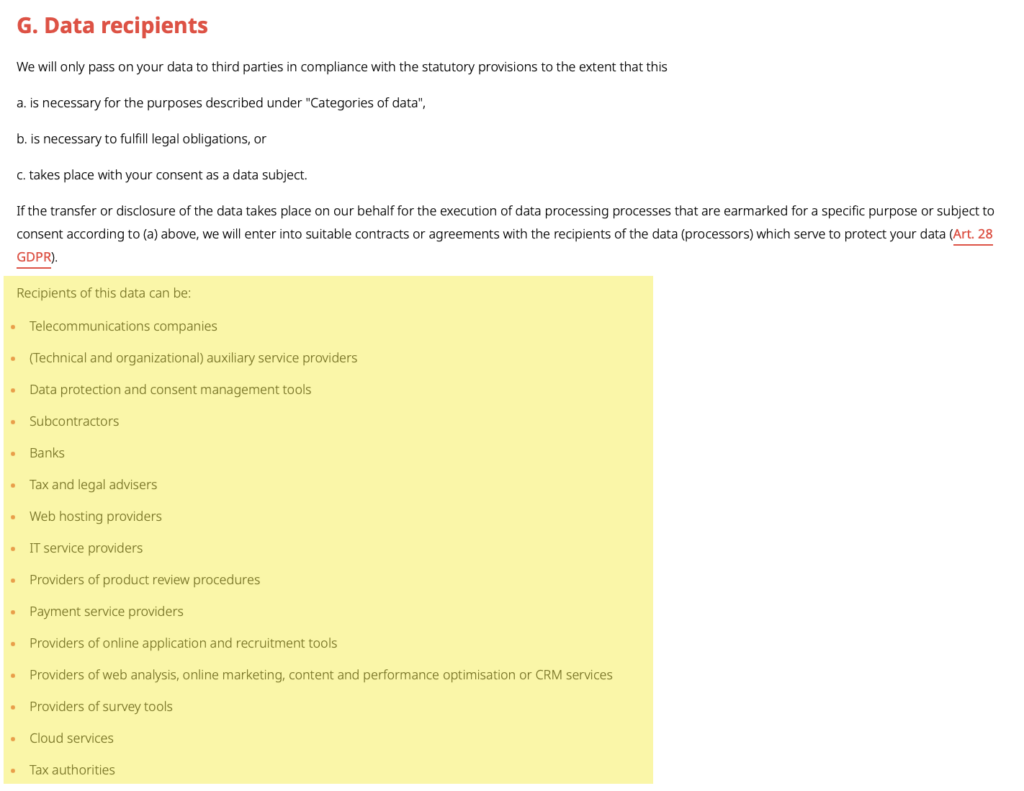
AnyDesk may share your data with hosting and IT providers, payment processors, banks, security and fraud prevention services, regulatory authorities (when required), and marketing, analytics, and CRM providers.
AnyDesk uses essential cookies for site functionality. It uses analytics and marketing cookies (e.g., Google Analytics, Meta Pixel, LinkedIn tools) only with your consent.
You can manage your cookie preferences via the cookie banner/tool. IP addresses are often shortened (pseudonymized) for analytics.
AnyDesk works with many processors (e.g., hosting, analytics, CRM, marketing, security, surveys). Data is shared only when necessary. Note that some providers are outside the EU. Transfers use standard contractual clauses or other safeguards.
To operate the software, AnyDesk collects technical and connection data (e.g., IP address, device information, and session times). It doesn’t store session content. Recordings or chat logs are saved locally by users.
Optional features (e.g., Google Speech-to-Text) only transmit data when actively used.
Telemetry data is collected only with consent and can be turned off.
The company notes that users’ usage of the tool’s free version may be automatically analyzed to detect commercial use. If misuse is detected, access may be restricted and a paid license required. Users can contact support for human review of decisions.
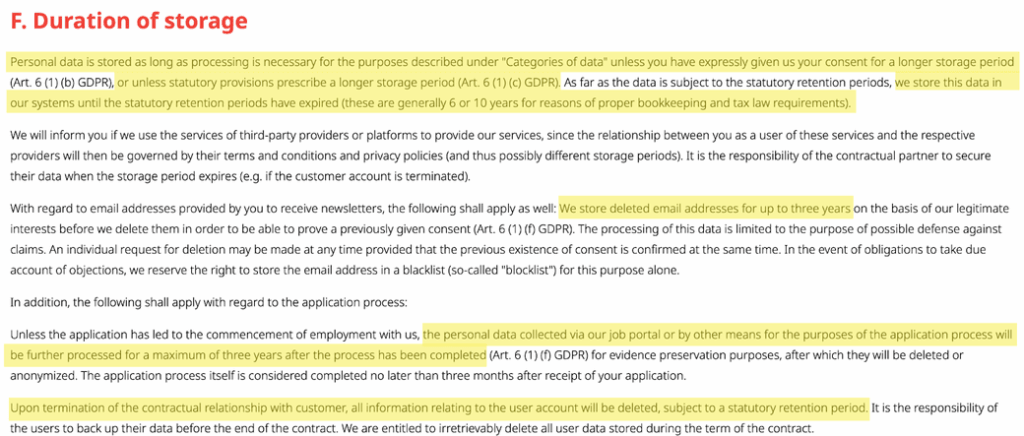
AnyDesk states that it stores data only as long as necessary for its purpose. Legal retention periods apply, typically 6 to 10 years for financial records. Newsletter unsubscribe data may be kept for up to 3 years to prove consent, and job application data is generally deleted or anonymized after up to 3 years.
So, Should You Use AnyDesk?
Depends.
AnyDesk’s core software is reputable and secure, and is widely used by both individuals and businesses.
The tool may be a good fit if you need reliable remote access.
It may not be the best option if you dislike subscription auto‑renewal, expect refunds, or worry about remote‑access scams.
If someone asks you to install AnyDesk unexpectedly, hang up and do not proceed.
How to Use AnyDesk Safely and Privately
- Only start AnyDesk sessions you expect. Fraudsters are known to use AnyDesk for their scams. Note that remote access begins when you open the app or click an AnyDesk invitation link.
- Review AnyDesk permissions before and during a session. You can change permissions (keyboard, mouse, file access, etc.) or end the session at any time.
- Be cautious with full control. During an AnyDesk session, the other party may access data on your device, so make sure you only grant necessary permissions.
- Protect your account and license. Use strong, unique passwords for your AnyDesk account and turn on multifactor authentication.
- Minimize the amount of data collected by AnyDesk where possible. Opt out of telemetry data if you don’t want usage analytics collected (this is optional and consent-based) and avoid optional features you don’t need (e.g., Speech-to-Text) since these involve third-party processing.
- Be intentional with recordings and chat logs. AnyDesk session recordings and chat logs are stored locally, not by AnyDesk. If you record a session, you become responsible for that data.
- Secure your device. Keep your operating system and AnyDesk client updated to make the most out of security improvements.
- Limit tracking. Adjust cookie settings to allow only essential cookies if you prefer minimal tracking and decline marketing and analytics cookies (unless you want personalized ads or analytics-based improvements).
- Be careful with third-party integrations. If you connect AnyDesk via external platforms or integrations, understand that your data may be shared between systems and that the other platform’s privacy policy also applies.
- Exercise your privacy rights. Depending on where you reside, you may be able to exercise privacy rights like the right to request access to your data, ask for corrections or deletion, withdraw consent, object to processing based on legitimate interest, and file a complaint with a data protection authority.

news?

Don’t have the time?
DeleteMe is our premium privacy service that removes you from more than 750 data brokers like Whitepages, Spokeo, BeenVerified, plus many more.
Save 10% on DeleteMe when you use the code BLOG10.