Is MyLife a Scam?

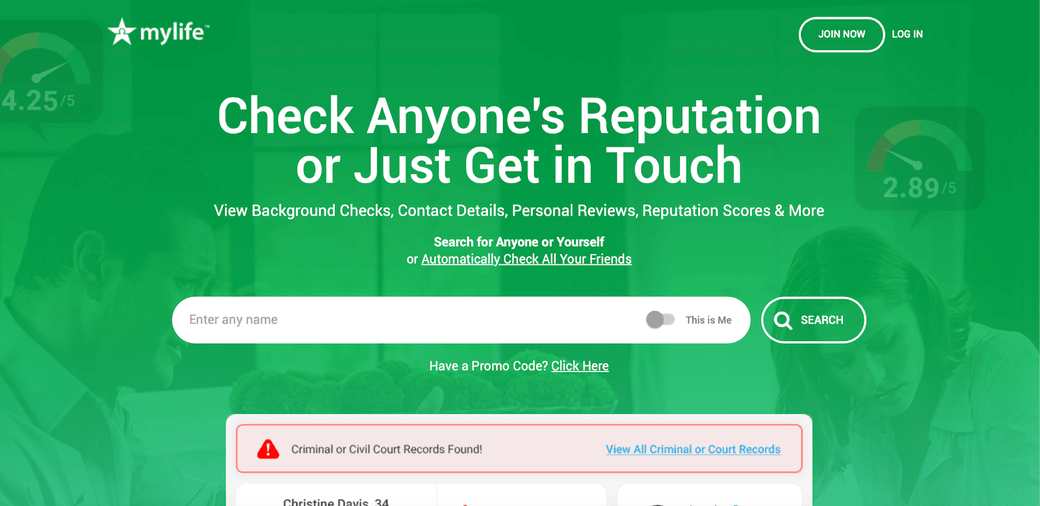
Table of Contents
If you’re thinking of using MyLife, you need to know whether it’s safe. Is MyLife a scam?
Below, we explain whether MyLife is a scam and discuss some steps you can take to improve your safety when using this people search site.
What Is MyLife?
MyLife is a people search website.
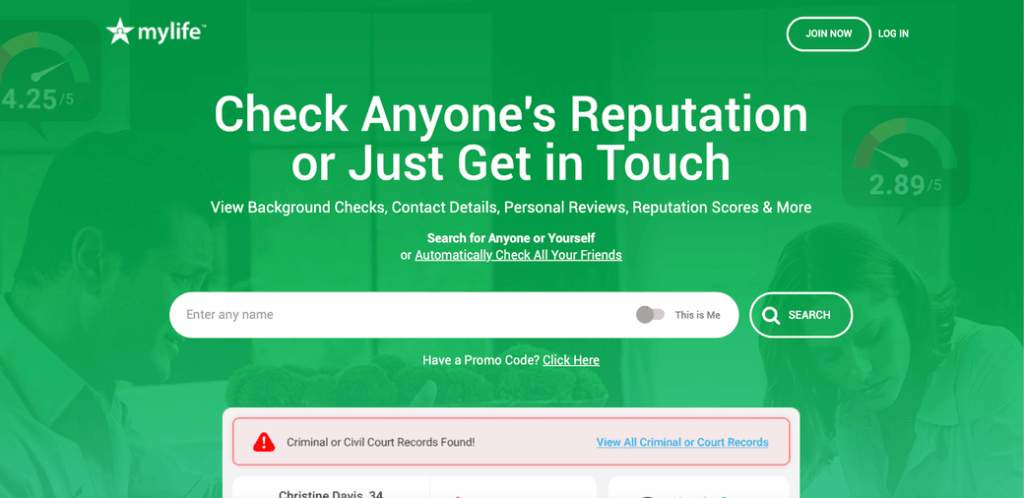
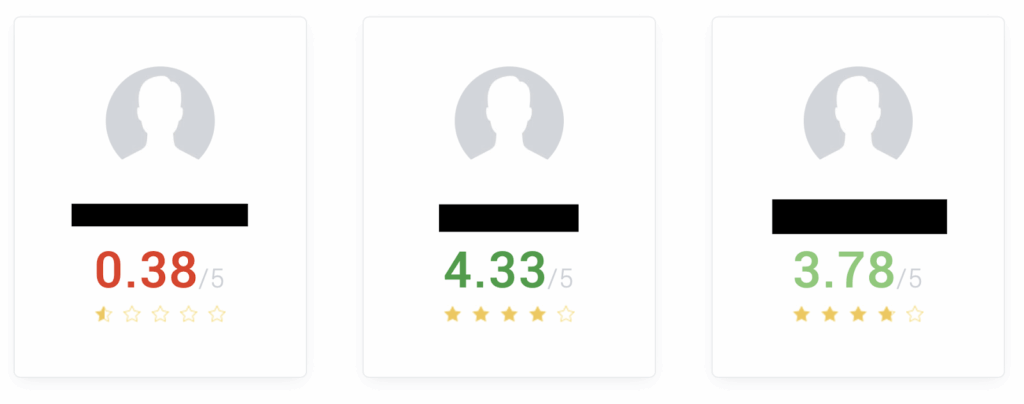
It collects people’s personal information from public records and other publicly available sources and creates “Reputation Profiles” on them. It also assigns “Reputation Scores.”
As per its website, MyLife’s “Reputation Profiles” can include anything that might affect a person’s reputation.
For example, criminal and civil court records, lawsuits, judgments, liens, social media, property records, income, work history, education history, personal reviews, photos, and contact information.
MyLife profiles can also include ratings and reviews from other individuals.
The site also advertises its ‘Reputation Dashboard’ with tools that allow individuals to increase their ‘Reputation Score’ and improve how they look to other people.
You can also see how your score has changed and how it looks in comparison to other people you know or people you are related to, or even monitor other people’s ‘Reputation Profiles’ and ‘Reputation Scores’.
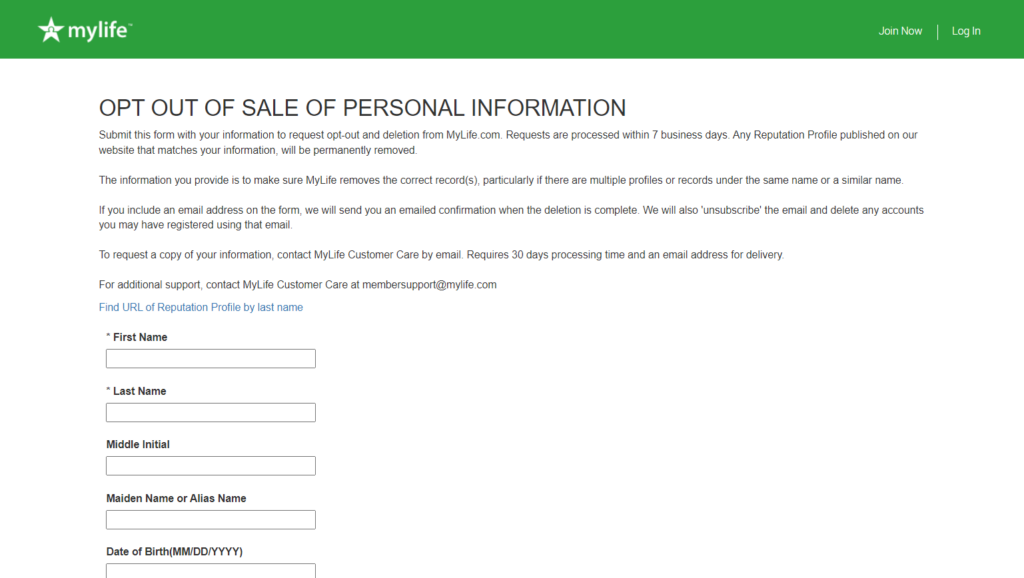
MyLife has an opt-out option for people who want to remove their personal details from the site (see our step-by-step MyLife opt-out guide).
Is MyLife a Scam?
No, MyLife is not a scam. It’s a legitimate people search site. However, the company has faced legal challenges regarding its business practices.
At the time of writing, user reviews of MyLife are mostly negative:
- 1.1 out of 5.0 stars (from over 200 reviews) on Trustpilot.
- 1.0 out of 5.0 stars (from over 1,000 reviews) on ConsumerAffairs.
- 1.01 out of 5.0 stars (from over 100 reviews) on Better Business Bureau.
- 1.6 out of 5.0 stars (from over 400 reviews) on SiteJabber.
On online forums like Reddit, users report mixed experiences with MyLife, though most of them are quite negative from a privacy perspective.
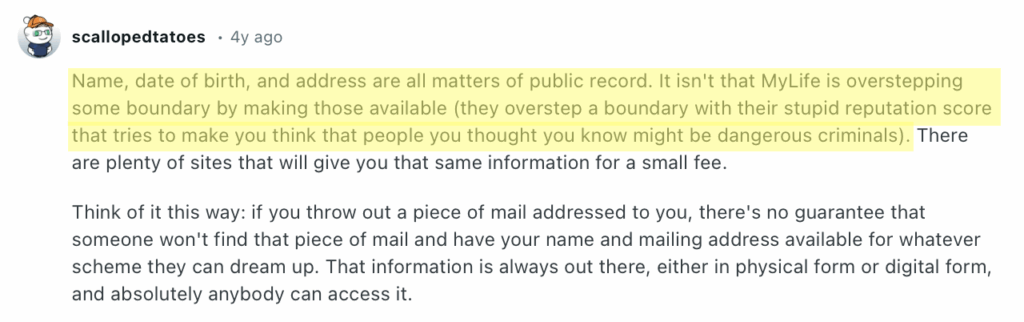
In particular, people really dislike the fact that MyLife assigns “reputation scores” to individuals listed on its site.
“Name, date of birth, and address are all matters of public record. It isn’t that MyLife is overstepping some boundary by making those available (they overstep a boundary with their stupid reputation score that tries to make you think that people you thought you know might be dangerous criminals).”
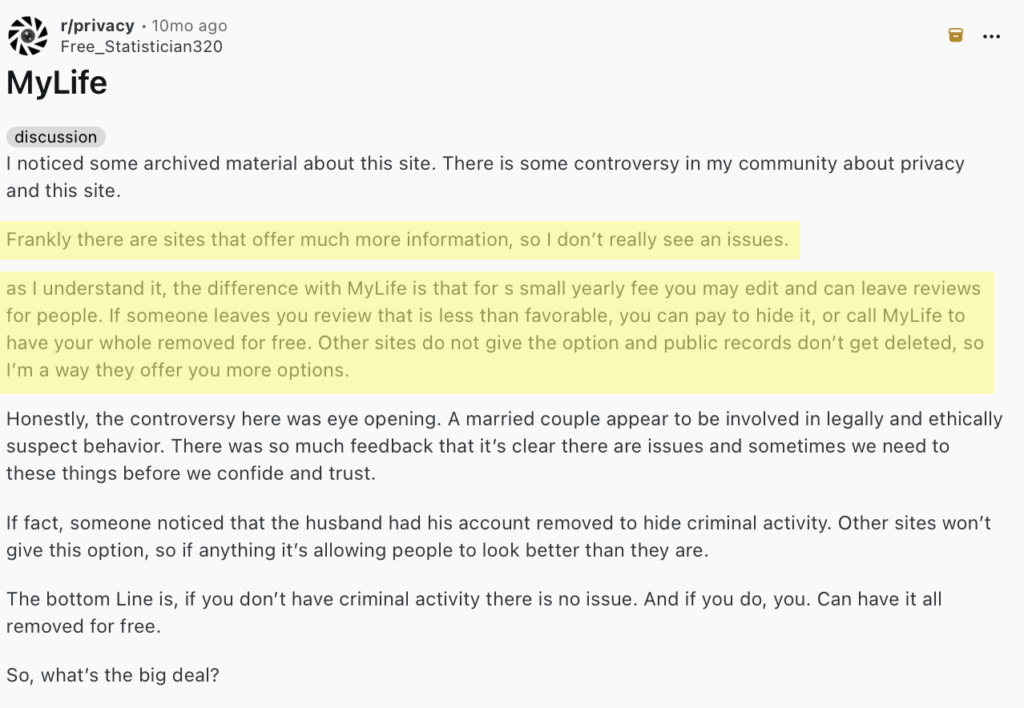
Another person noted that they don’t see an issue with MyLife and that, in fact, it gives more options than other people search sites when it comes to data removal:
“Frankly there are sites that offer much more information, so I don’t really see an issues. as I understand it, the difference with MyLife is that for s small yearly fee you may edit and can leave reviews for people. If someone leaves you review that is less than favorable, you can pay to hide it, or call MyLife to have your whole removed for free. Other sites do not give the option and public records don’t get deleted, so I’m a way they offer you more options.”
MyLife is not a Better Business Bureau (BBB) accredited business and holds an “F” rating.
According to the BBB, the low rating is due to the website’s failure to respond to individuals’ complaints filed against it.
MyLife received 611 total complaints on the BBB website in the last three years as of this writing, 192 of which have been closed in the past 12 months.
Most complaints are from people claiming that MyLife has incorrect information about them. Some people also say that the website refuses to remove their online profile. Others say that they’ve been charged even after canceling their accounts or free trials.
MyLife regulatory actions & lawsuits
In 2020, the FTC and DOJ sued MyLife and its CEO, Jeffrey Tinsley, for deceptive practices.
A court found that MyLife misled consumers by implying they or others had criminal records, failed to disclose charges and auto‑renewal clearly, and acted as a consumer reporting agency without complying with the Fair Credit Reporting Act.
The court ordered MyLife and Tinsley to pay $33.9 million in consumer redress, with $21 million immediately due, and banned them from using negative‑option subscriptions.
The ruling also requires MyLife to stop misrepresenting that a traffic ticket is a criminal record and to implement a monitoring program to ensure compliance.
MyLife security
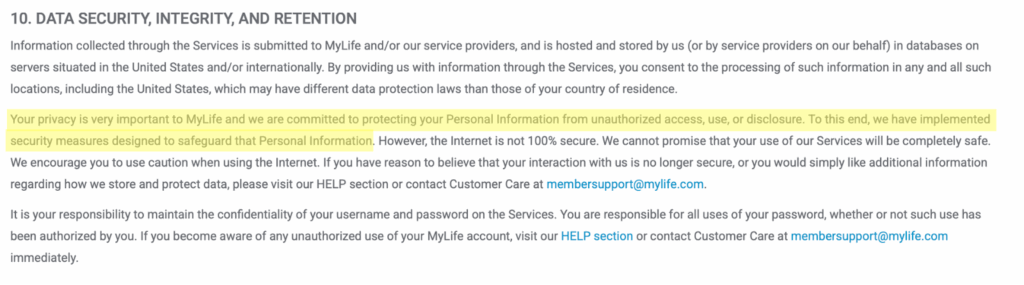
In its privacy policy, MyLife briefly describes its security measures.
It says it has “implemented security measures designed to safeguard that Personal Information,” but warns that the internet is not 100% secure and that users should exercise caution.
MyLife privacy
MyLife explains in its privacy policy what data it collects, why, and with whom it shares it.
It may collect the following personal information:
- Contact details: Name, address, phone, email (including via Facebook Connect).
- Payment details: Card number, expiration date, billing address, and payment history.
- Demographics and sensitive-ish categories: Gender, age, ethnicity, relationship/marital status, political preference, and protected-class characteristics.
- Account/registration: Usernames, passwords, and social media IDs.
- Content you submit/post: Profile data and photos/likeness (including profile pictures).
- Preferences: Interests, nicknames, and favorite quotes.
- Education & employment: Schools, degrees, business name, and job title/history.
- Device/usage data: IP address, browser/device identifiers, location, clickstream data, and logs.
- Legal history: Criminal history, court cases, traffic infractions, and civil lawsuits.
- Third-party sourced data: MyLife may receive/license data from third parties (including data brokers) to validate, enhance, and/or add to its database.
The people search site may collect this information directly from you (e.g., when you register or conduct searches), from other sources (e.g., public databases, social platforms, aggregators, partners), and through passive tracking (e.g., cookies, web beacons).
It says it works with ad networks/partners and may let them collect data via cookies/pixels to deliver interest-based (targeted) ads.
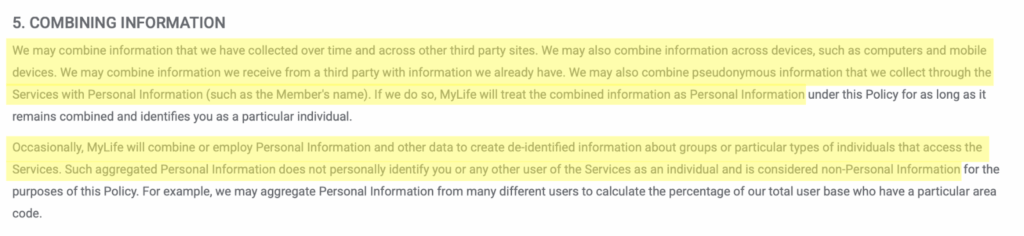
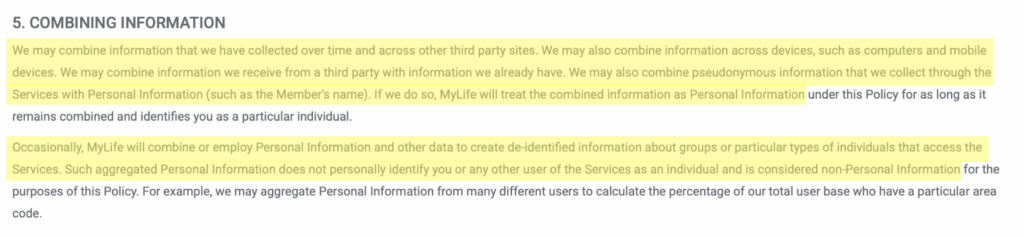
MyLife may combine your data over time, across third-party sites, and across devices, and it may also create aggregated/de-identified data and treat that as non-personal.
The site may use your data to run and improve its services, for customer support and communications, to personalize your experience, and for promotions and content. It may also use it for analytics, legal compliance, fraud and security, and enforcing agreements.
It explicitly states that it may sell personal information to third parties for marketing purposes, including online/offline targeted advertising.
MyLife may disclose your personal information to:
- Marketing and data buyers.
- Service providers.
- Legal and government entities (when required by law).
- Security and/or fraud investigations and rights protection.
- Business transfers.
- Social sharing and messaging (if you use those features).
- Public areas (anything you post publicly and your public profiles can be visible to users, the public, and search engines).
- “Who’s Searching for You®” (if you search while logged in, MyLife may notify others about the search and who initiated it).
MyLife members can generally access/edit profile information in the service. Non-members can claim and edit their profile after verifying their identity.
You can request that your profile be removed from public display, but some data may remain in backups. The site says it verifies identity and generally responds within 45 days (with a possible 45-day extension).
MyLife may store and process your data in the U.S. and/or internationally.
It keeps your data as long as it is useful for providing services and marketing database purposes.
Opting out of MyLife
MyLife publishes information about… pretty much everyone.
Just like you may use MyLife to look someone up, someone else may use MyLife to search for you. And you may never know.
If you’d rather others were not able to find your personal details through MyLife, you should opt out.
Although people’s information on MyLife can be used for legitimate purposes, like checking who the unknown caller was or even seeing your public reputation score, it can also be used for more nefarious purposes, like doxxing, harassment, and social engineering.
Learn more about data brokers and people search sites in our detailed data broker guide.
Then, opt out of MyLife using our step-by-step MyLife opt-out guide.
Or, subscribe to DeleteMe to have privacy professionals remove you from MyLife and other people search sites for you – and do so continuously.
Continuous removals from people search sites like MyLife are critical because most of these sites repopulate your profile as soon as they come across more of your data, even if you previously opted out.
So, Should You Use MyLife?
Depends.
MyLife may help people see what public records say about them and find information about others, but the site’s history of deceptive marketing, legal penalties, and negative reviews makes it unsuitable for most consumers.
Whether you use MyLife or not, make sure to remove your profile from it by opting out (see our MyLife opt-out guide) to reduce your data exposure and the risk of someone else using the site to learn more about you.
How to Use MyLife Safely and Privately
- Don’t create an account (and/or login) unless you absolutely have to. MyLife’s policy states that it may create public profiles for non-members from third-party/public sources, and that members can “claim” profiles. If you only need to view something, browsing without logging in helps you avoid having your actions linked to an account.
- Be careful with anything you share in “public” areas. The site warns users that anything they post on blogs, forums, people search pages, profile pages, and similar sites can be viewed and collected by others and may become public and searchable.
- Don’t connect your social accounts to MyLife. If you do, that can lead to your profile data being imported.
- Limit what you add to your MyLife profile. Don’t add extra details (nicknames, favorite quotes, interests) if you don’t need personalization.
- Assume searches are visible to others (or manage the “Who’s Searching for You®” feature). When you search for someone while logged into MyLife, the site may notify people about the search and who initiated it. If you have to search for someone while logged in to MyLife, delete searches from the saved searches page (which should stop notifications for those searches).
- Reduce tracking and targeted ads. Use a privacy-focused browser and the opt-outs it mentions (Network Advertising Initiative and Digital Advertising Alliance “YourAdChoices”).
- Opt out of MyLife. If you find your profile, request that MyLife remove it to reduce the likelihood that others will find your personal details. You can opt out of MyLife manually (see our step-by-step instructions here) or by subscribing to a data broker removal company like DeleteMe to have privacy experts remove your data from MyLife and other people search sites on your behalf continuously. If you go the manual route, make sure you re-check MyLife occasionally, as people search sites are known to republish individuals’ profiles when they find more of their data.
- Exercise your privacy rights. Depending on where you live, you may be able to take advantage of privacy rights like the right to access, correct, and/or delete your information and to opt out of sale/targeted advertising/profiling.

news?

Don’t have the time?
DeleteMe is our premium privacy service that removes you from more than 750 data brokers like Whitepages, Spokeo, BeenVerified, plus many more.
Save 10% on DeleteMe when you use the code BLOG10.