How to Take Control of Your Data Privacy


Data Privacy Week started out as awareness. In 2026, it’s about action, and the first action is getting your information off broker sites that sell it to stalkers, scammers, hackers, and anyone else willing to pay.
That’s why the National Cybersecurity Alliance chose “Take control of your data” as this year’s theme. Too many of us feel like we’ve lost that. Every website, app, and purchase seems to exist only to collect our information.
Here’s what you need to know about taking it back in 2026–but first:
What Data Privacy Week is and why it’s often ignored
Data Privacy Week is a time for many companies to reexamine privacy practices and data privacy risks. It’s also a time for individuals to learn more about their rights and how to protect their personally identifiable information (PII) online.
Unfortunately, many people don’t particularly care about privacy or making use of their rights, and there are several myths that reinforce that behavior.
Myth #1: “I have nothing to hide”
One of the most dangerous misconceptions in data privacy is that you aren’t important enough or wealthy enough to be a target. In 2026, the reality is the opposite.
Cybercriminals don’t need you to be famous; they just need you to be reachable. An automated scam doesn’t care about your social status — it needs an exposed data point to exploit you, whether that’s by text, email, or DM. Even if you stay off social media, data brokers are indexing your digital life, making possible scams, identity theft and more serious criminal behavior.
The stakes are actually highest for those with the least to lose. Households in lower income brackets are now almost twice as likely to suffer financial loss from online attacks than more affluent households. Privacy isn’t about hiding secrets; it’s about protecting yourself.
Myth #2: “My information is already exposed, so I don’t need to protect it”
If your data is already on data broker sites, what’s the point of protecting it now?
Every time you move, change phone numbers, or get a new credit card after a breach, you create new information that needs to be protected. Without the right safeguards, there’s a good chance that info will be used against you by marketers, scammers, and cybercriminals. Don’t sleep on protecting your data just because it might have been exploited before!
Myth #3: “It’s too expensive, time-consuming, and bothersome to protect my info”
Your data is spread across a lot of websites. Data brokers like Spokeo, Whitepages, and more often have comprehensive profiles they’ll sell to anyone who pays, including other data brokers, marketing research sites, and cybercriminals.
It may feel overwhelming, and hunting all of that information down takes time. Still, there are many things you can do on your own in small blocks of time to begin to protect yourself better. You have more control than you think.
Here’s how to start to take control of your data online
Each of these suggestions should only take minutes of your time and can help to protect you and your family from scams, spam, identity theft, and fraud in the coming year. That’s what Data Privacy Week is all about.
1. Lock down your app permissions
Rather than looking at each app’s permissions individually, you should be able to go to a section of your phone settings called “permission manager” and review each app quickly in turn to lock down unnecessary permissions. Turn off location and other data sharing when possible, and limit access to your contacts.
Even doing this once or twice a year can help you stay safer online and keep your information out of the hands of data brokers.
2. Turn off data sharing in major platform accounts
The most well-known Big Tech platforms like Amazon, Meta, and Microsoft tend to also be the most aggressive in their data collection methods because of ‘personalization features.’ In 2026, ‘personalization’ can mean anything from recording ad preferences to using your posts, photos, and interactions to train generative AI.
Look for “Ad Personalization,” “AI Data Usage” or “Model Improvement” toggles in your settings to opt out. Turning off these features may make ads less relevant to you, but it can help protect your data from sale or from a future data breach.
3. Stop oversharing on forms
We all sign a lot of forms over the years, from government forms at places like the DMV to optional quizzes to determine our personality types. Even the most sensitive forms will often have optional fields that you can choose to fill or not, and far too many of us go on autopilot and just fill out all our information.
Leave optional fields blank, especially middle names, secondary phone numbers, and employers. Middle names are one of the easiest ways to differentiate your data broker profile from a dozen others with the same first and last name. Secondary phone numbers can expose activities done under your previous number. Sharing your employment information can lead to more scams or fraud aimed at your professional persona.
This kind of caution is especially important now that AI scrapers are constantly pulling data from public and semi-public records. Once your information is ingested into an AI model, it’s significantly harder to remove than a standard database entry. Remember that less input always means less data for bad actors to steal, resell, or use for fraud.
4. Use one dedicated email address for signups and promotions
If you sign up for a newsletter or an email promo, there’s a chance your contact information could be sold to other marketers or to a data broker, which amplifies spam and scams. One of the best ways to keep spam, phishing, and marketing away from your primary inbox is to set up a secondary email, preferably not under your real name, or to use a masked email service.
The only thing to keep in mind here is that even if you use a fake name, your IP address can often be traced, unless you also use a VPN to mask your location. Still, it’s an easy step to help protect yourself online.
5. Enable 2FA where it matters most
Two-factor authentication, or 2FA, is a sign-in system that requires both a password and something else, like biometric information or a one-time passcode sent to a phone, to unlock an account. This is the best low-effort way to protect your most sensitive accounts like:
- Email accounts
- Financial accounts and apps
- Cloud storage
- Social media accounts
Two-factor authentication can stop the vast majority of attacks at the start. Use an authentication app that generates passcodes to avoid giving your phone number away.
6. Sign up for data privacy services like DeleteMe
Removing yourself from data brokers requires time and effort, and opting out doesn’t mean you’ll stay out forever. Data brokers will often re-sell or re-upload lists on a regular basis.
This is where the real value of a data privacy service like DeleteMe comes in. DeleteMe has saved its users tens of thousands of hours that would otherwise be spent on tedious opt outs. We also have an annual subscription so we can continue to monitor for exposed data and tackle re-uploaded profiles whenever they arise.
In the absence of a service like DeleteMe, commit just a few minutes every day to opting out of one or two data brokers. In time, you can make considerable progress in at least reducing your digital footprint and getting off some marketing lists.
7. Treat data privacy as an ongoing pursuit
Data privacy is a process, not a destination. It sounds corny, but it’s true. If you only remove yourself from data brokers once, or if you only check your privacy settings once and then download a dozen new apps, or if you get a new email address only to sign up for a dozen optional services, you’re not really protecting yourself. Keep shrinking your digital footprint and make privacy a priority this year.
Final Thoughts
As you go into Data Privacy Week equipped with these tips, keep one more thing in mind. The goal of data privacy isn’t to disappear completely. The goal should be to ensure you have some say over where and when your data gets collected, stored, and shared online.
Big companies, marketers, and scammers have been making all the decisions about what happens to your data for too long. It’s time to take back control.
Learn more:
- Learn which data privacy and cybersecurity habits work and which are ‘hacklore’
- Discover how you can remove yourself from all the most popular data broker sites with our DIY opt-out guides
- Review what 2025 taught us about the state of data privacy

news?
Don’t have the time?
DeleteMe is our premium privacy service that removes you from more than 750 data brokers like Whitepages, Spokeo, BeenVerified, plus many more.
Save 10% on DeleteMe when you use the code BLOG10.
Related Posts
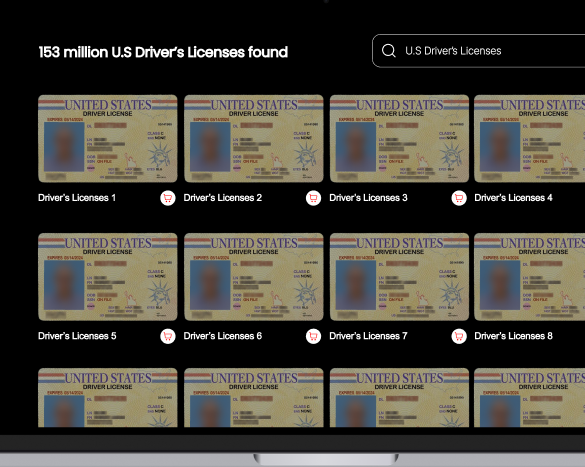
The IDScan Breach Investigation and Your Privacy

Why “Everyone Already Has My Data Anyway” Is a Myth