


Welcome to the July 2026 issue of Incognito, your monthly privacy and security deep dive with DeleteMe.
This month:
- 4th of July Scams: Holidays are prime time for scammers. Watch out for veteran charity scams and fake Independence Day deals.
- New Privacy Legislation: More states are adopting comprehensive consumer privacy laws. Learn about the new rights you can exercise this Independence Day.
- Gift Card Fraud and Crypto Scams: On our podcast, an older adult got scammed out of thousands despite his family’s intervention. Learn how to protect your older relatives.
- Recommended Reads: The SECURE Data Act is making progress; smart glasses should worry everyone; surveillance pricing is everywhere; AI voice cloning is used in kidnapping scams.
- Q&A: What can you do if your relative is a chronic scam victim?
- Join DeleteMe at Black Hat x DEF CON: We want to meet you at the event! Express your interest here.
Independence Day Scams Play With Your Feelings
The 250th anniversary of U.S. independence is nearly here. Expect more scam texts, emails, and fake ads that use your generosity and patriotism against you.
1. Veteran charity scams
Bad actors send emails and texts to request donations in the name of genuine charities. Never click links in messages. Do your research and head directly to charity websites instead.
2. Fake Independence Day deals
You’ve heard it before and we’ll say it again: if it looks too good to be true, it is. Don’t trust exciting offers, even if they come in the form of sponsored links or ads. Meta, TikTok, and Google are all under fire for failing to remove scam ads.
3. Travel scams
If you’re traveling for a 250th Anniversary event or 4th of July party, watch out for these! Fake booking emails, rental scams, and cloned websites will ruin your vacation.
4. Fake event tickets
Never buy a ticket via text or messaging app or social media. Only use verified, big-name ticket sales websites like TicketMaster or StubHub. Otherwise, you could lose hundreds or even thousands of dollars on a ticket only to show up to the event and find out there’s no place for you.
5. Phishing, smishing, and vishing
We’ve all heard “Don’t click suspicious links in emails.” Now, extend that to texts. Smishing, or SMS phishing, refers to scammers sending texts with malicious links that steal your personal data.
Don’t trust links even if they seem to come from familiar sources. Bad actors can spoof numbers to seem more legitimate.
In vishing, scammers can clone familiar voices or impersonate company or charity representatives to get you to go to a website or give away financial information over the phone. If you get a voicemail that asks you to “call back at this number” or head to a particular website, do your research first. It’s probably a scam.
Life, Liberty, and the Pursuit of Data Privacy
Some states are stepping up to declare independence from the data broker economy. We saw massive progress in privacy protections this year.
Indiana’s, Kentucky’s, and Rhode Island’s consumer privacy laws took effect as of January of this year. Each of these laws requires data brokers to respect opt-out requests from consumers and provides definitions for sensitive data. These definitions help lawmakers regulate the sale and misuse of specific types of data.
Vermont, Oklahoma, and Alabama all passed new comprehensive consumer privacy laws this year. There are now 23 states that allow consumers to opt out from data brokers and request or delete their personal information.
Kentucky and Virginia amended and strengthened existing privacy laws. Kentucky’s law now classifies smart TV data as sensitive. Virginia’s bill prohibits the sale of geolocation data.
Maryland, New York, and Connecticut passed laws banning surveillance pricing and regulating electronic shelf labels. These provide a blueprint for other states to follow suit.
There is also a proposed federal statute known as the SECURE Data Act. This statute would provide a baseline for privacy across the United States. The SECURE Data Act would preempt state laws in its current form. That means states like California wouldn’t be able to provide stronger protections that go beyond the baseline for their own residents. It’s still an important measure that brings the discussion of consumer data privacy to the forefront of the federal government.
State and federal privacy is an ongoing battle. Join in. Reach out to lawmakers, sign petitions, and take advantage of the rights you already have to opt out wherever possible.
Gift Cards, Crypto, and How Scammers Weaponize Kindness
If someone offered you a product or service and asked you to pay them in gift cards or cryptocurrencies, what would you say? We hope you’d hang up, delete the email, and shut it all down.
That doesn’t always happen.
In a recent episode of What the Hack, host Beau Friedlander talked to Brian Ward about how his father, who we’ll call John, fell for three separate scams. They also talked about how families can protect their loved ones.
The first scam started with an email that impersonated a bath store John had bought from before. The email claimed there was an error with a purchase. When John called the number provided, a scammer claimed they would refund him $420, but tricked John into thinking he accidentally typed too many zeroes and received $42,000. They begged him to wire the extra money back. Fortunately, John’s financial advisor flagged the transaction and stopped it.
The next time, a fraudster pretended to be from PayPal and claimed they mistakenly refunded John too much money. Wanting to help the desperate worker, John followed their explicit instructions to buy Sephora and Apple gift cards across multiple stores, scratch off the back panels, and read the codes over the phone. $3000 vanished instantly.
In the third incident, a caller pretending to be from Chase Bank convinced John to withdraw $30,000. While a real bank teller successfully blocked the withdrawal and alerted John’s son, the scammers still managed to manipulate John. He hung up on his family, walked into a neighboring CVS, and bought another $3,000 in gift cards. It was only when he returned home to find his family and a police officer waiting that he realized the truth.
Sometimes, scammers ask for gift cards. Sometimes, they direct victims to crypto ATMs. The number one tactic remains the same. Cybercriminals hack our natural human urge to be helpful and compliant.
Still, there are things you can do to safeguard your older adult relatives. Start here:
- Restrict call-through settings: Adjust cell phone settings so the device only rings for established contacts and routes unknown numbers straight to voicemail.
- Deploy anti-scam software: Install tools like Seraph Secure to block remote-access programs and dangerous tech-support pop-ups.
- Counter loneliness: Maintain regular, open communication so older relatives feel comfortable discussing odd financial requests without shame or fear of judgment.
- Take advantage of legal safeguards: In extreme cases, establish a power of attorney to allow trusted family members to oversee accounts and freeze suspicious transactions.
Want the full story? Listen to the full episode of What the Hack to hear more about how Brian Ward’s dad fell victim, as well as how you can protect the people you care about.
Recommended Reads
The SECURE Data Act Deserves Support
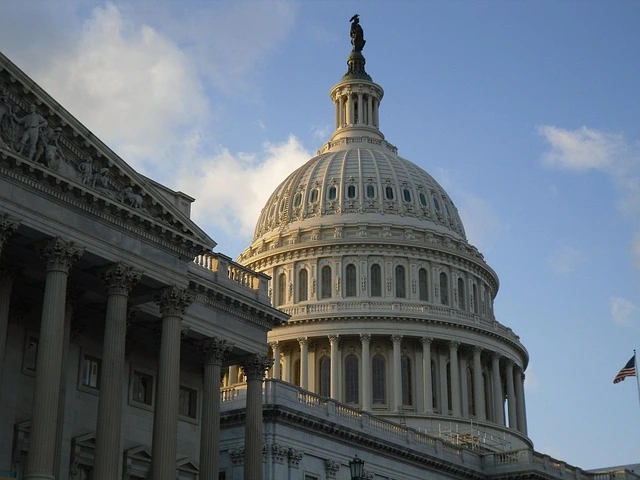
The proposed federal SECURE Data Act aims to establish a single national data privacy standard that grants Americans rights to access, correct, or delete their personal data, while eliminating the “right of private action” that would allow individual consumers to sue businesses for violations. It would also preempt existing state laws.
Smart Glasses Need New Privacy Regulations

Meta is facing a U.S. privacy lawsuit following reports that human workers at a Kenyan subcontractor reviewed sensitive, unblurred footage captured by its AI smart glasses. The lawsuit claims Meta promoted the glasses as “designed for privacy” without disclosing manual human reviews.
Surveillance pricing is everywhere. Regulations aren’t

Surveillance pricing is a predatory corporate practice where companies collect and weaponize extensive consumer data to tailor prices to the absolute limit of what an individual is willing to pay. This practice frequently exploits vulnerable populations such as new parents, individuals with food allergies, and those who live in lower income areas. Consumers can fight back.
AI can impersonate kidnapping victims

Law enforcement agencies warn of an alarming rise in AI kidnapping scams. Cybercriminals use as little as three seconds of audio to clone a relative’s voice and fabricate a ransom call. Establish a secret family safe word to verify identities, revert voicemail greetings to default automated messages, remove data broker profiles that share your familial connections, and tighten social media privacy settings.
You Asked, We Answered
Q: What can you do if your relative is a chronic scam victim?
A: Involve fraud experts, family members, law enforcement, and legal measures if needed.
The AARP offers free resources for relatives of chronic scam victims. In some cases, a law enforcement officer might be willing to talk to your relative directly to help them understand they’re being scammed. The more people you involve, the more likely you are to be able to help the victim recover and avoid future scams.
There are also technological options. If your relative asks for assistance, change their smartphone settings so it will only ring for known callers. Install scam-blocking browser extensions and software. Talk to your older adult relatives about data removal.
Most importantly, be there for your relatives. Loneliness is one of the top reasons individuals become chronic scam victims. Scammers are great at listening and they can be present around the clock thanks to AI. That might not be practical for you, but a little reaching out can go a long way.
Join DeleteMe at Black Hat x DEF CON
We want to bring the privacy community together this summer! We’re currently scouting locations for a social event at the intersection of privacy and security. If you’re planning to be in Las Vegas this August, please let us know so we can finalize the details.
Back to You
Get in touch with us. We love getting emails from our readers. You can also find us on X, BlueSky, Instagram, Facebook, LinkedIn, and YouTube.
And don’t forget to share! If you know someone who might enjoy learning more about data privacy, feel free to forward them this newsletter. If you’d like to subscribe to the newsletter, use this link.
That’s it for this issue of Incognito. Stay safe, and we’ll see you next month.


Don’t have the time?
DeleteMe is our premium privacy service that removes you from more than 750 data brokers like Whitepages, Spokeo, BeenVerified, plus many more.
Save 10% on DeleteMe when you use the code BLOG10.