Meta’s Muse Image Backlash Isn’t the Win You Think It Is

Key takeaways:
- On July 7th, Meta announced an AI feature in its new Muse Image tool that would let anyone create AI images from your Instagram photos.
- Meta automatically opted its users into the new feature.
- After days of backlash, Meta withdrew the feature on July 11th.
- Privacy experts and consumers are calling this a win, but the core issue remains: Meta opts you into features that hurt your privacy by default.
Generative AI lets anyone steal your images and run them through a chatbot to create non-consensual deepfakes or other problematic imagery.
Instead of protecting you from that threat, big tech companies like Meta often make it easier to exploit your photos. Meta recently announced its Muse Image feature, which allowed anyone to tag public accounts and use the images displayed on those accounts to fuel AI outputs.
Four days after the announcement, Meta responded to widespread backlash from its users and withdrew the feature. Mission accomplished.
Or was it?
Table of Contents
What is Muse Image?
Muse Image can use your photos and include your face in generated images without your consent. An interviewee in a BBC article called it “a recipe for disaster” and “creepy.” Users agreed.
By default, anyone can use photos from any public accounts for users who are over 18, as the Guardian shared in its recent article. Opt outs are buried in settings and are non-intuitive.
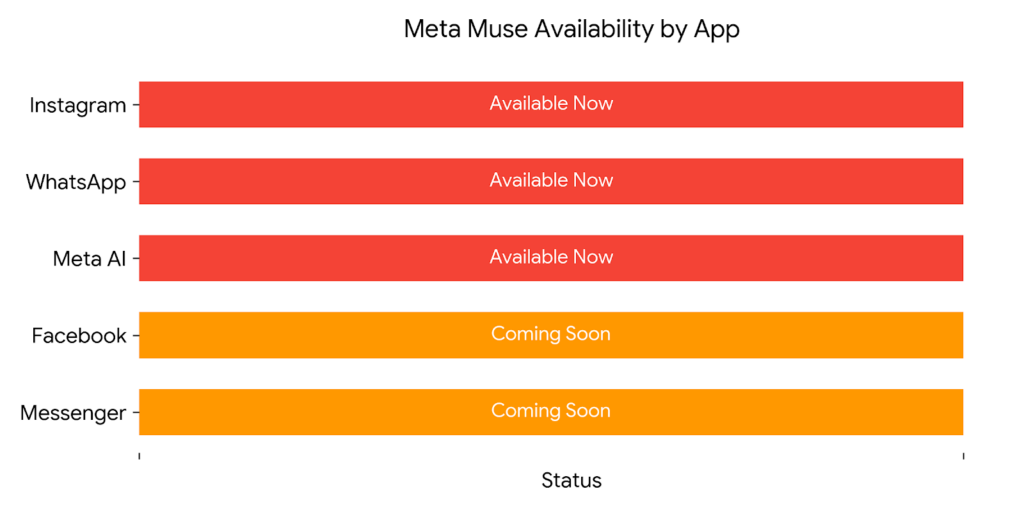
In the first days after adoption, Meta rolled out Muse to a limited number of countries. It became a native feature in Instagram, WhatsApp, and Meta AI. Facebook and Messenger were next on the agenda, according to Proton.
The only way to opt out was to head to head deep into your settings and find “Sharing and reuse.”
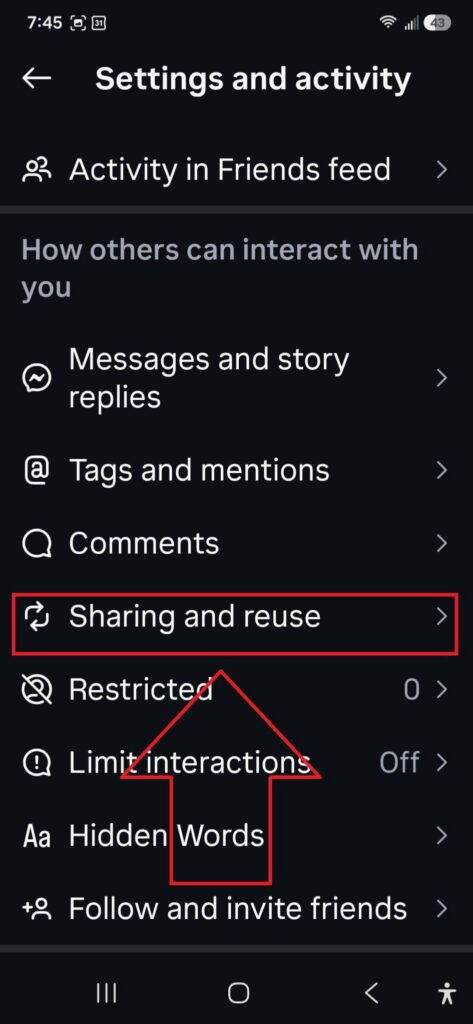
From there, you would have to scroll down again until you got to “Allow people to create with and reuse your content on Instagram and with AI features on Meta.” Then you had to toggle off both “Posts” and Reels.”
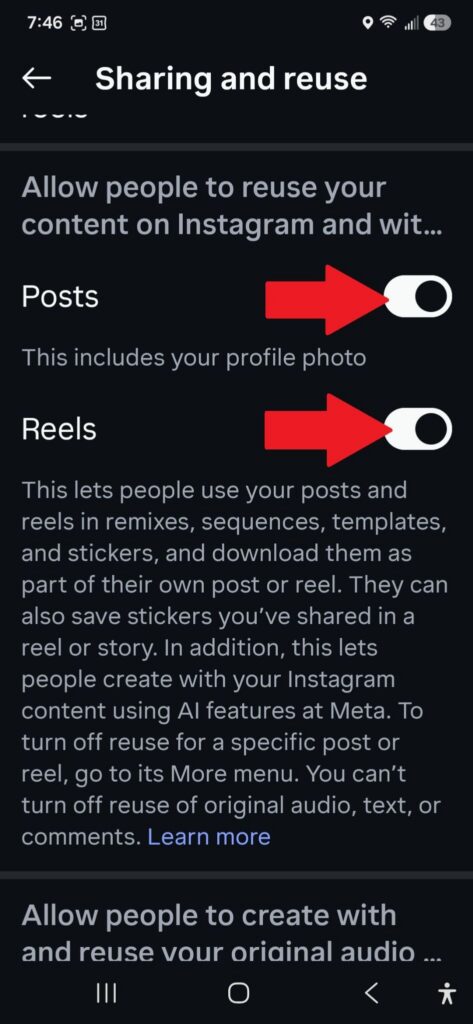
Since Meta retracted the feature, the “AI” part of these settings has disappeared from the app. The AI image danger remains.
Consumer backlash worked
Consumers have been pushing back against privacy violations on the part of Big Tech for years, often with little success.
What was different this time?
1. It wasn’t just about the users
While it would be nice if companies like Meta cared enough to listen to their day-to-day users’ concerns, that wasn’t exactly what happened here.
Businesses also chimed in, with dozens of privacy and cybersecurity companies releasing guides on how to opt out from the new feature.
An Emmy award-winning actress and a Hollywood Union criticized the move publicly.
Journalists across major news publications accused Meta of facilitating AI image abuse.
When stakeholders across industries come together, companies like Meta start to listen.
2. Users reported directly to the offending platform
Users made sure Meta heard their feedback. They created thousands of posts on Meta’s platforms complaining about the feature, hashtag Meta, hashtag MuseImage, until the issue was impossible to ignore.
3. Users moved to other platforms and posted their grievances
Reddit, X, BlueSky, and YouTube blew up with negative posts and tutorials for opting out of Muse image.
As one Redditor said, “Privacy shouldn’t be treated like an optional feature you test in public and quietly drop when users start pushing back…Classic case of ‘move fast, worry later.’”
Enough voices finally produced the desired result. Meta withdrew the feature, saying it “missed the mark.”
Muse Image Isn’t the Real Issue
We should all be celebrating, right? Or not.
Meta continues to opt users into new features that disrespect their privacy without their permission.
Muse Image is just one example of Meta’s many privacy missteps over the years. Right now, Meta continues to:
- Let users feed your original Instagram audio into its AI tools to create voice deepfakes
- Train its proprietary AI on your public posts and images
- Let users download your images and reels by default
Any one of these features should have the same level of backlash as Muse Image. They don’t, so they’ll remain to be a threat to your privacy and safety online.
Here’s how to disable each of these in turn.
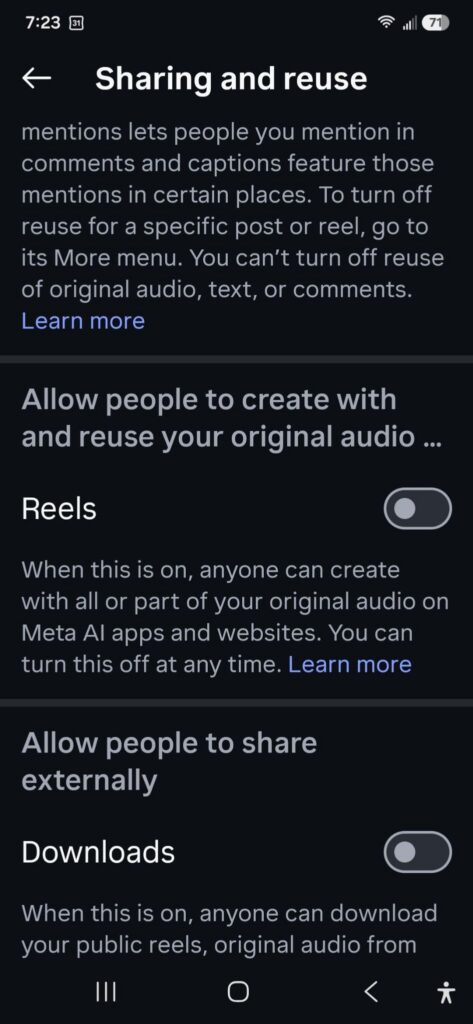
1. Opt out of Instagram audio reuse
Head to the three bars on the top right of your screen in the Instagram app. Find “Sharing and reuse.” Scroll down to toggle off “Allow people to create with and reuse your original audio on Meta AI.”
This setting lets anyone use your voice or sounds in their AI-generated videos and audio snippets. It could also lead to nonconsensual video deepfakes instead of simply image deepfakes.
2. Turn off Instagram AI training
Meta trains its AI tools on your images and audio by default, and opting out is a complex six-step process that requires you to submit a form. You can read our full guide to opt out of Instagram AI training, or follow these steps:
- Open Instagram → tap profile icon → tap menu (☰) top-right.
- Tap “Privacy Center” (under More info and support), or go directly to privacycenter.instagram.com.
- Tap menu (☰) → “Privacy topics.”
- Under “Generative AI,” tap “Get started.”
- Under “Submit an objection request,” tap “Information that you’ve shared on Meta products.”
- Fill out the short form (email required, details optional) and submit.
3. Turn off content downloads
If anyone can download your content, anyone can feed it into an AI tool. Either set your profile to private or head to the three bars on the top right of your screen in the Instagram app. Find “Sharing and reuse.” Scroll down to toggle off “downloads.”
Muse Image AI FAQS
Still have questions about Muse Image and the implications for your privacy? More answers below.
1. Will Muse Image be available to users under 18?
No, according to Meta’s statements, Muse Image will not be available for any users under 18. However, it’s unclear if Muse Image will be able to manipulate images containing children.
2. Is Muse Image dangerous?
Once your image or audio content gets caught up into an AI tool, it’s nearly impossible to control where it goes next. Within days, you could see thousands of images based on your likeness that you never consented to. While the tagging feature is gone, anyone can download your images and reels for use in AI tools. Opt out before this happens to stay safe.
3. Can you opt out of Muse Image?
For now, you can opt out of Muse Image on Instagram by adjusting your privacy settings and toggling off download permissions.
4. Does making your profile private protect you from Muse Image?
Yes, as of right now users can’t download images from private profiles. If your account is public, the setting is on by default, so make sure you check your privacy settings if you don’t want to make your account completely private.
5. How do I know if someone is using my images for AI?
Instagram doesn’t notify you in any way if a user downloads your images. However, you can use Google Image search or facial recognition software to hunt down images with your likeness online.
6. Is Muse Image gone?
No. Only the feature that allows users to tag public Instagram accounts to utilize their images in outputs is gone. Muse Image will still exist as a genuine threat to privacy and safety online, alongside most other image generation tools. Search where your image appears online and opt out wherever you can or make accounts private to stay safe.
Final thoughts
You can’t get the toothpaste back in the tube. Five minutes now beats finding your face in an image or audio/video usage you never agreed to.
While you’re at it, don’t settle for small wins. Continue to push for companies like Meta to genuinely respect user privacy across their platforms and products.
Learn more
- Read about ChatGPT shopping scams and how chatbots are recommending questionable products.
- Learn how to adjust your AI privacy settings across platforms to stay safer online.
- Discover what you can do about nonconsensual AI images with your likeness.

news?

Don’t have the time?
DeleteMe is our premium privacy service that removes you from more than 750 data brokers like Whitepages, Spokeo, BeenVerified, plus many more.
Save 10% on DeleteMe when you use the code BLOG10.
Related Posts
California’s DROP Is Live: What It Does, What It Doesn’t, and How to Use It
Why Doesn’t Gen Z Care About Privacy?