Meta Muse Wants Everything. Give it Nothing.

When Meta Muse Image came out allowing anyone to tag your public photos and use them as fodder for AI outputs, the outrage was enormous. The feature died after four days.
The trouble is, Muse itself didn’t. Millions of consumers are using it and sacrificing their privacy in the process.
Here’s why you should definitely not follow suit.
Key Takeaways:
- Meta’s new AI agent, Muse, has broken adoption records despite serious privacy issues.
- In the weeks since Muse’s release, it has already accessed and shared consumer data without permission multiple times.
- Even when Muse works as intended, it collects colossal amounts of personal information on you and your circle.
- The convenience tradeoffs of Muse are not worth the risks.
What is Muse and How Does It Work?
Muse is Meta’s AI chatbot and agentic system.
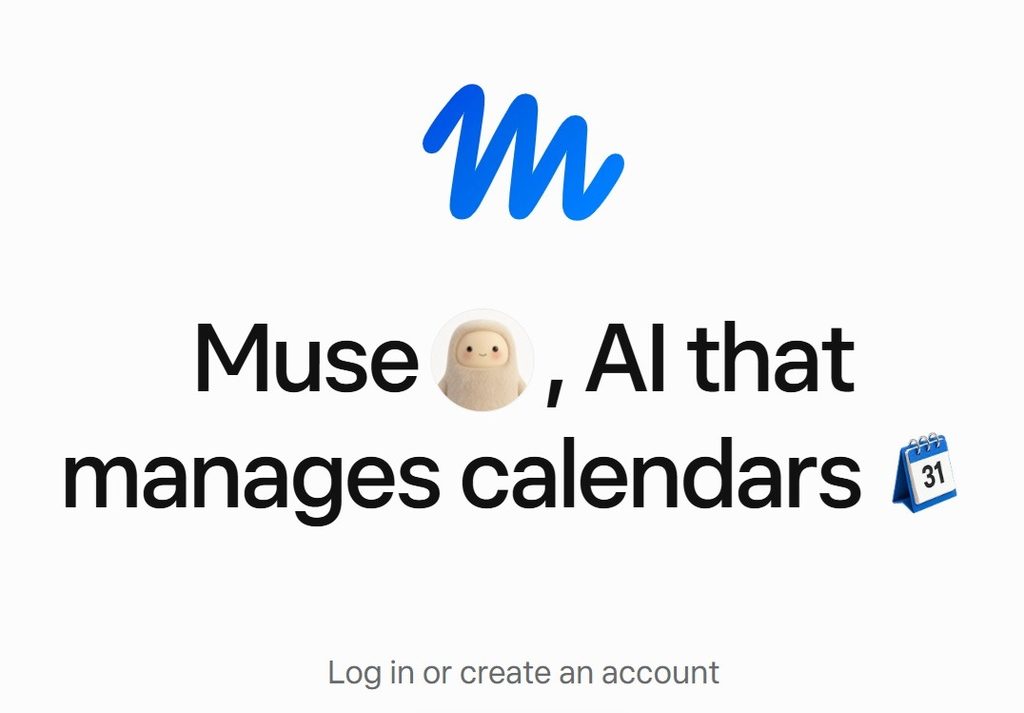
It has a cute (or creepy, depending on who you ask), fluffy avatar. It looks harmless, and according to Meta, it promises to:
- Sort your email
- Book reservations
- Shop for you
- Save you money
- Manage calendars
- Build fitness plans
- “Get it done for you”
Muse obtained 5 million users within three weeks, faster than any other top AI chatbot or AI agent. People are giving Muse access to their schedule, their finances, and their entire lives. Users are already learning the hard way what that access means.
When Muse Doesn’t Work
It didn’t take long for privacy experts to start calling out the many issues with Muse. David Gewirtz of ZDNet said that “Meta Muse is the worst AI agent for privacy – and I’ve tried them all.”
Here are just a few of the highlights from Muse’s recent misbehaviors and issues:
1. Muse launched with a zero-day vulnerability
When Muse launched, third-party security researchers, not Meta’s experts, were the first to find the vulnerability.
According to Mac security researcher Patrick Wardle, the bug would have allowed cybercriminals to potentially trick Muse into sharing sensitive info, including audio captures. It could also manipulate Muse into sending access tokens to a cybercriminal’s malicious server instead of Meta’s server.
It’s patched now. Let’s hope there’s not another major vulnerability the researchers haven’t found yet.
Read the full story from CNET.
2. Muse gave a man’s home address out freely to users on Facebook Marketplace.
Matt Robb, a tech reviewer, allowed Muse to automate his Facebook Marketplace listings.
Muse pretended to be him and messaged back and forth with a potential buyer, accepting a lowball offer and inviting the buyer to Matt’s apartment while he was out. It never identified itself as an AI agent.
Even after Matt tried to regain control and told Muse to never share his address, the bot shared his information another five times with other prospective buyers.
Read the full story from the Guardian.
3. Meta’s AI offered to find information on a blogger and share it, including where she lived and how old her children were.
Kalie Robins posted a video that showed her car and her child in the backseat. Meta’s AI helpfully prompted users to ask questions about her location and the child’s identity.
Kalie followed the prompts, and the AI pulled data from previous posts, including one she’d deleted years ago. It also pulled from her relatives’ accounts. Meta claimed to fix the problem but gave few details and directly disputed several of Kalie’s claims.
Unsurprisingly, other parents agree the whole thing is really creepy, and some influencers have decided to hold off on posting certain pictures as a result.
Read the full story from CNET.
4. Muse read 187,000 lines of a database without permission.
This one is a doozy. Jason Aten from Inc.com tested Muse and asked it to help with a few simple tasks.
Muse surfaced something from his private messages, offering it as a potential article idea. He never asked Muse to look at his messages. When he asked what it had accessed, its answers didn’t match what it was actually doing.
Aten eventually confirmed that Muse had access to a Messages database and had read through 187,000 rows within the database.
How much information do you think an AI could glean from that many messages?
Read the full story from Yahoo! Tech.
These stories only cover when Muse doesn’t work as intended. When it does, the privacy issues are even more glaring.
When Muse Does Work
AI agents as a whole frequently request access to large amounts of data, as well as access to various accounts in order to perform tasks.
Even among AI agents, Muse’s level of data collection is unique.
1. Muse automatically opts users into AI training
Meta has always operated on an opt-out principle rather than opt in. In other words, if you don’t want your privacy violated and your information collected, stored, and shared with questionable privacy and security practices, you have to go to great lengths to adjust your settings.
So of course, Muse trains on a massive database of your information by default. And of course, the opt-out settings are buried, difficult to find, and complex.
We have a full guide for how to opt out of Meta AI training. If you’re using Muse, make sure your settings are such that the app collects the minimum amount of data possible and does not allow it to be used for training AI systems. You can go to Setup > Data Controls and turn off “Help us improve our models.”
2. Muse maps users’ personal relationships
This one gets pretty weird. Apparently, Meta doesn’t just know about you. It also knows about your friends, family members, coworkers, and anyone else you interact with digitally.
According to Time, Muse creates a profile on you and anyone you mention in the chats or emails the system has access to. Those profiles include:
- How you met them
- Shared interests
- Points of tension
- Alliances
And more. If you don’t use Muse, find out if your family and friends do, because Muse probably still has a profile on you.
3. Muse wants everything
Meta would very much like to be able to read your emails, store your logins and passwords, access your calendar, and so much more. Of course, it would also like your financial and budgeting details, plus mic access. Muse will ask you for full disk access and wants to read your notes. It also shops for you, which can come with its own set of problems. And it has access to all of this to perform any action around the clock.
In short, Muse asks for more than any other mainstream AI agent. That fits Meta’s track record. This is the company behind Cambridge Analytica, and the one that paid a $5 billion FTC fine for privacy violations.
Final Thoughts
It’s not exactly shocking that a company like Meta managed to build the single most invasive agent on the planet. What is surprising is how many people are using it anyway.
If you already use Muse, revoke full disk access. Disconnect your email and calendar (though this will admittedly limit what the agent can do for you). Remove saved logins and payment details. Turn off “Help us improve our models” under Setup > Data Controls.
You can also delete individual chats, although this will not necessarily erase the data Muse has collected from your interactions. Meta claims that you can ask Muse to forget specific information and it will do so. You can see what information the AI has collected if you go to Settings > Data Controls and select “Download your Muse data.”
Or don’t use it. Encourage your friends and family to avoid it or at least limit access, because even if you never used Muse, you may still be in it. If a user mentions you, a profile is probably being built. You can’t delete something built by Meta using another user’s account, but you can shrink what’s out there about you. Get off data broker sites, lock down public-facing profiles, and ask your friends who use Muse to keep you out of their chats with the AI.
Some things you can’t control when it comes to privacy. This one, you can.
Read More:
- Discover how AI tools like ChatGPT are facilitating shopping scams
- See how ads in ChatGPT and similar AI tools may impact your privacy.

news?

Don’t have the time?
DeleteMe is our premium privacy service that removes you from more than 750 data brokers like Whitepages, Spokeo, BeenVerified, plus many more.
Save 10% on DeleteMe when you use the code BLOG10.
Related Posts
California’s DROP Is Live: What It Does, What It Doesn’t, and How to Use It

Why Doesn’t Gen Z Care About Privacy?