Threat Alert: ChatGPT Shopping Scams


Privacy and cybersecurity experts have known for a while that AI expands the threat surface. It’s only getting worse. Now, ChatGPT is recommending scam products, and people are buying them. Read on to learn about ChatGPT shopping scams and how to stay safe.
What is a ChatGPT shopping scam?
A ChatGPT shopping scam occurs when the chatbot surfaces a fake website or product in its recommendations in answer to a query. When you click the link, you will likely be prompted to enter your financial details into the website to make your purchase. From there, the scams can take two forms:
- You never receive your product and you’re out the amount you initially paid.
- A cybercriminal can steal your card or banking details and completely drain your account.
These scams have been around for a long time, but AI makes them more convincing and harder to avoid.
Why ChatGPT shopping scams work
Most people know that chatbots can make mistakes, yet we still click the links or accept product recommendations without much thought.
The real problem starts long before you type your query into a chatbot. Cybercriminals create fake websites that look like genuine, branded e-commerce stores. Chances are they’ll use AI to vibe code the whole thing in a matter of minutes and even copy logos and create product images.
When you search for a particular product, ChatGPT will look for related products online. If the cybercriminals did their job well, the chatbot will come upon one of those fake websites. It won’t be able to tell the difference between a legitimate website and the cybercriminal’s product, so it will return the link in answer to your query.
Most fraudulent websites have a hard time ranking highly in Google, but ChatGPT is good at finding them anyway because it’s designed to be “helpful.” As a result, it’s “helping” plenty of victims lose their money.
How to stay safe from fake product recommendations
Using a chatbot to give you product recommendations doesn’t just put you at risk of scams. It also puts you at risk of surveillance pricing and exposure on data broker sites. If you do decide to use a chatbot like ChatGPT, consider using the “temporary chat” mode so your chat history isn’t saved.
While you’re at it, you can avoid ChatGPT shopping scams if you:
- Verify the URL: Watch out for extra words or letters packed into the domain name (e.g., brandname-official-deals.com instead of brandname.com).
- Go directly to the source: Open a new browser tab and type the official retailer’s website address manually.
- Check the payment methods: If a site only allows payment via bank transfer, cryptocurrency, or peer-to-peer apps (like Venmo or CashApp) instead of secure credit cards, it is a scam.
- Keep your guard up: Treat AI recommendations exactly like a questionable link in an email. Just because it’s recommended doesn’t automatically mean it has been vetted for safety.
ChatGPT Shopping Scams FAQs
If the above didn’t answer your questions or you just want the quick version, read through our Q&A below.
1. How can you identify an AI shopping scam?
Assume links offered by chatbots are inherently risky unless proven otherwise. Hover over links to see the full URL and compare against the official website, or better yet, just search directly on official websites instead of clicking the links at all. If pricing seems too good to be true or the website wants payment in bitcoin, back off immediately.
2. What other AI-related shopping scams should I be watching for?
Watch for AI-generated phishing ads and fake AI shopping assistants.
- Phishing ads: Scammers use ChatGPT to write flawless, urgent-sounding ads, emails, or texts offering deals or pretending to be major shipping companies. Because the AI writes perfect English, you can no longer rely on typos to spot the fake.
- Fake AI assistants: Fake apps called “Chat GTP” or “AI Shopping Assistant” flood app stores. They pretend to be official products but exist to trap you into hidden, incredibly expensive weekly or monthly subscriptions, steal your data, or install malware.
3. What should I do if I come across a ChatGPT shopping scam?
If you come across a bad link or a fraudulent recommendation from ChatGPT, you can click “Help” in the sidebar and choose “Report Conversation.”
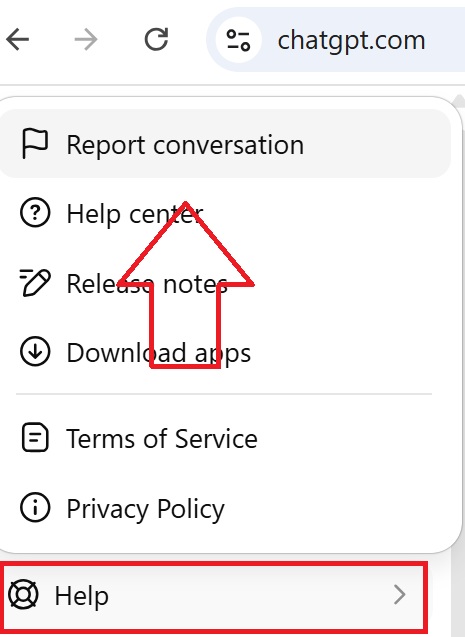
You can also report fraudulent websites to Google and to the FTC. Report to the FTC here and to Google here.
Learn more:
- Learn about data brokers and how they misuse your data.
- Read through our recent piece on fake invitation scams
- Discover how to remove your personal information from the interne

news?
Don’t have the time?
DeleteMe is our premium privacy service that removes you from more than 750 data brokers like Whitepages, Spokeo, BeenVerified, plus many more.
Save 10% on DeleteMe when you use the code BLOG10.
Related Posts

Why Doesn’t Gen Z Care About Privacy?
The IDScan Breach Investigation and Your Privacy